
A student sits in the back of a classroom on a Thursday afternoon. Something a classmate said at lunch is still replaying in their head. The words felt unfair. The chest is tight. The mind is already planning a response, running through what to say, imagining how the confrontation will go. By the time the final bell rings, that student has spent an entire period inside an emotion instead of inside a lesson.
Every high school student knows this feeling. The moment emotions take over, and clear thinking quietly leaves the room. What most students do not know is that there is a proven set of skills designed exactly for moments like this. They are called DBT skills, which stand for Dialectical Behavior Therapy.
DBT Skills are used in schools, therapy offices, and homes around the world to help people manage emotions, survive hard moments, and communicate better with the people around them.
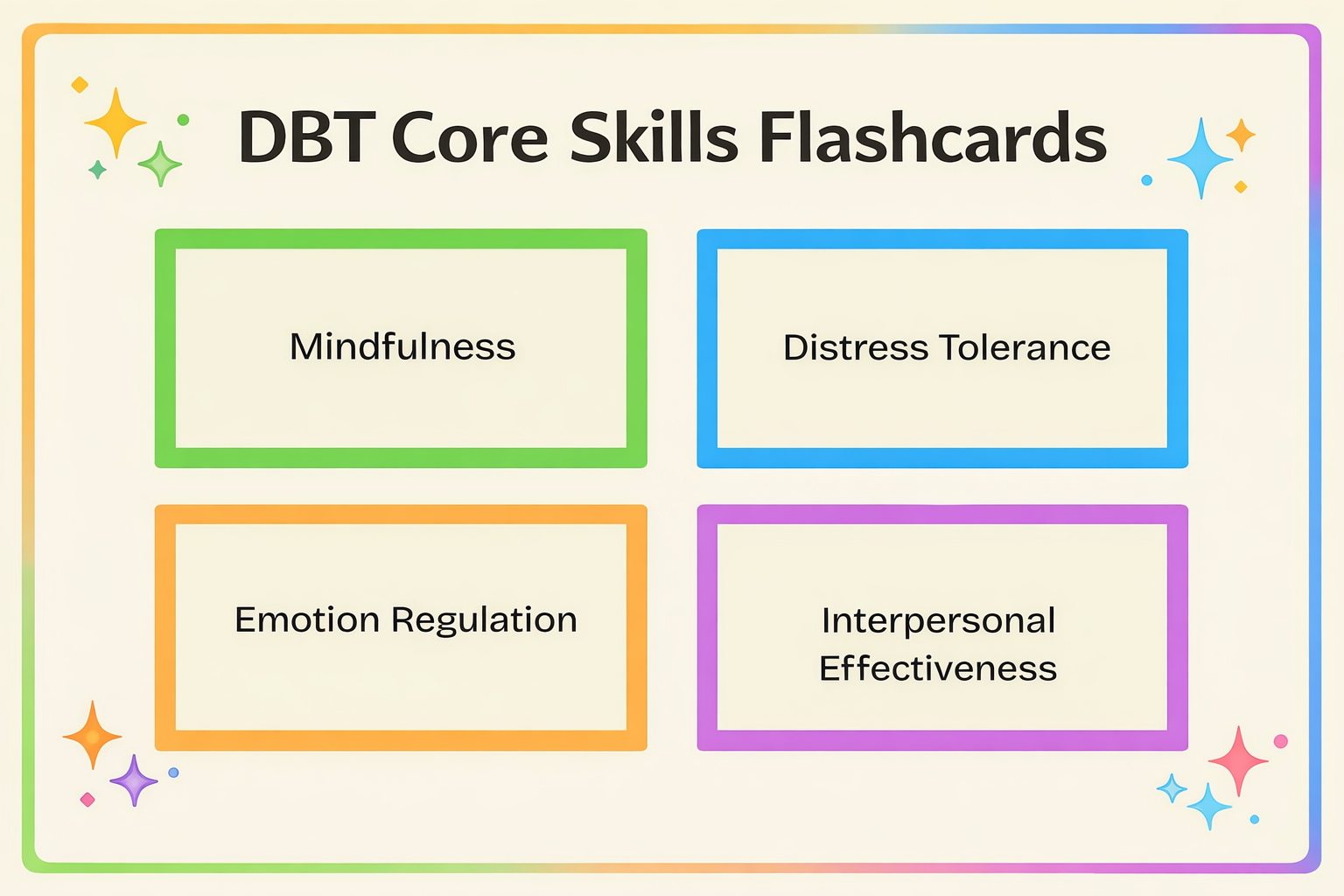
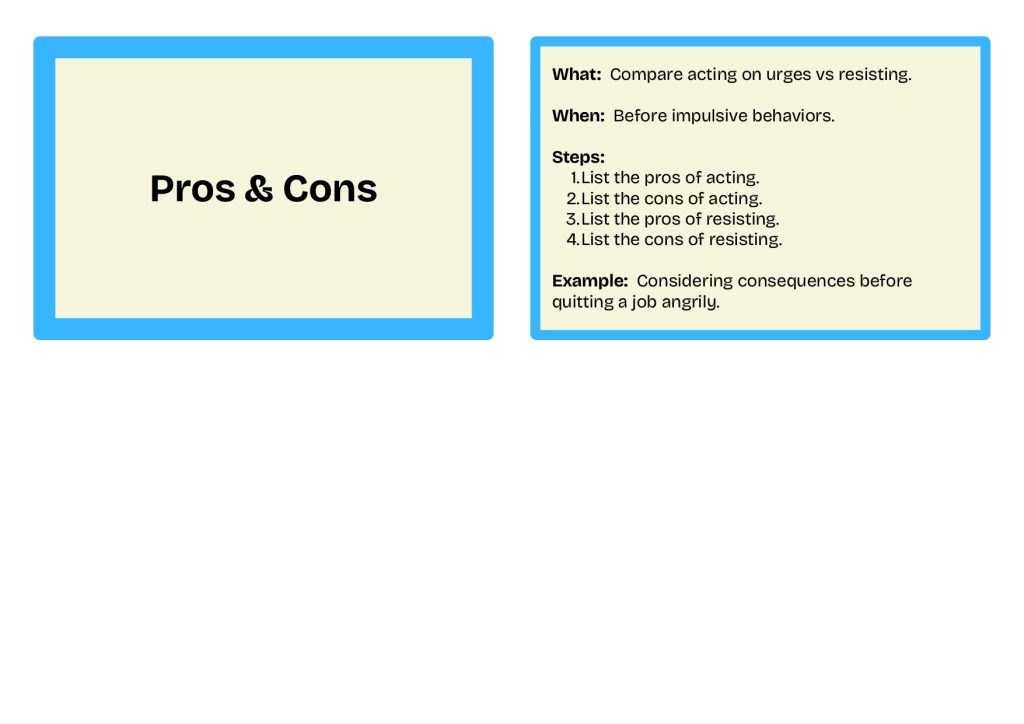
These DBT Core Skill Flashcards bring those tools directly to high school students in a format that is simple to pick up and actually use.
Images
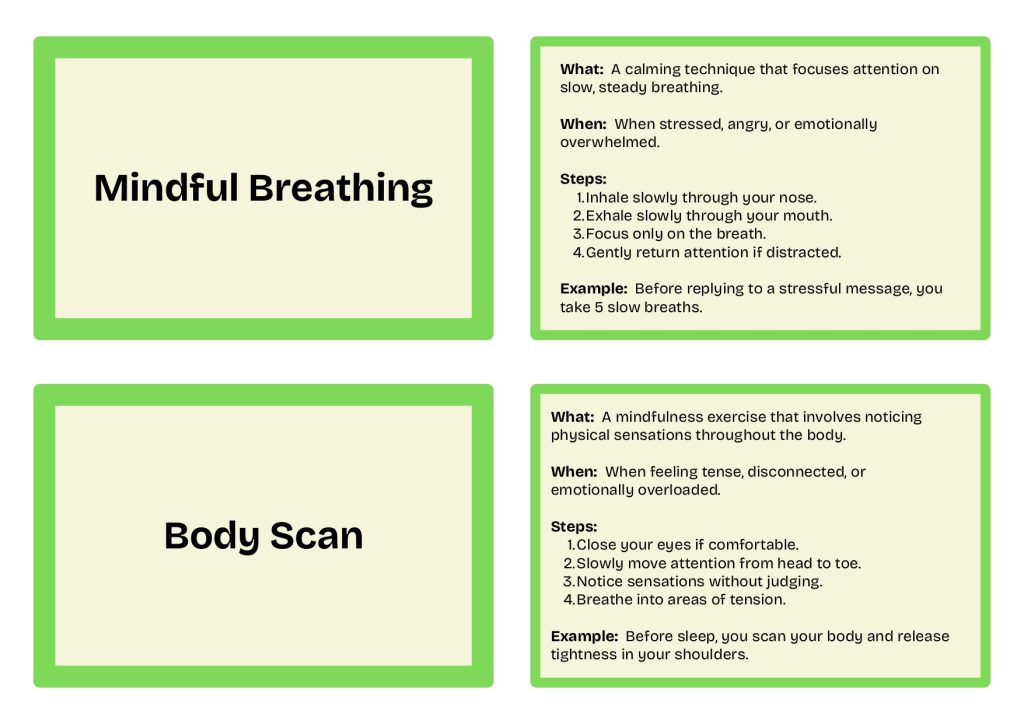
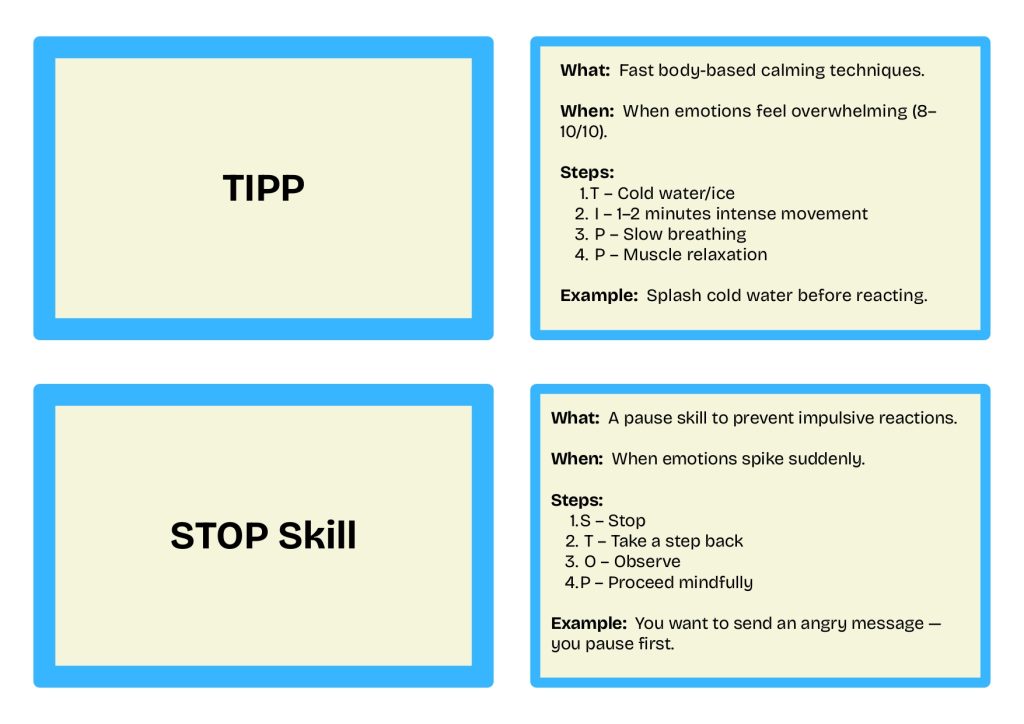
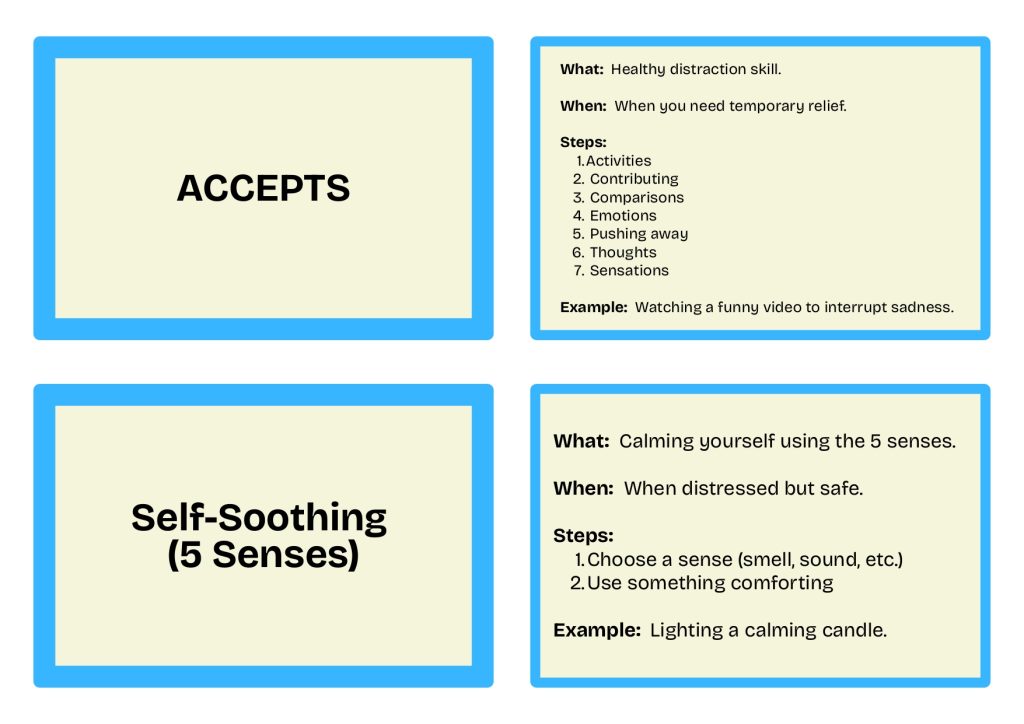
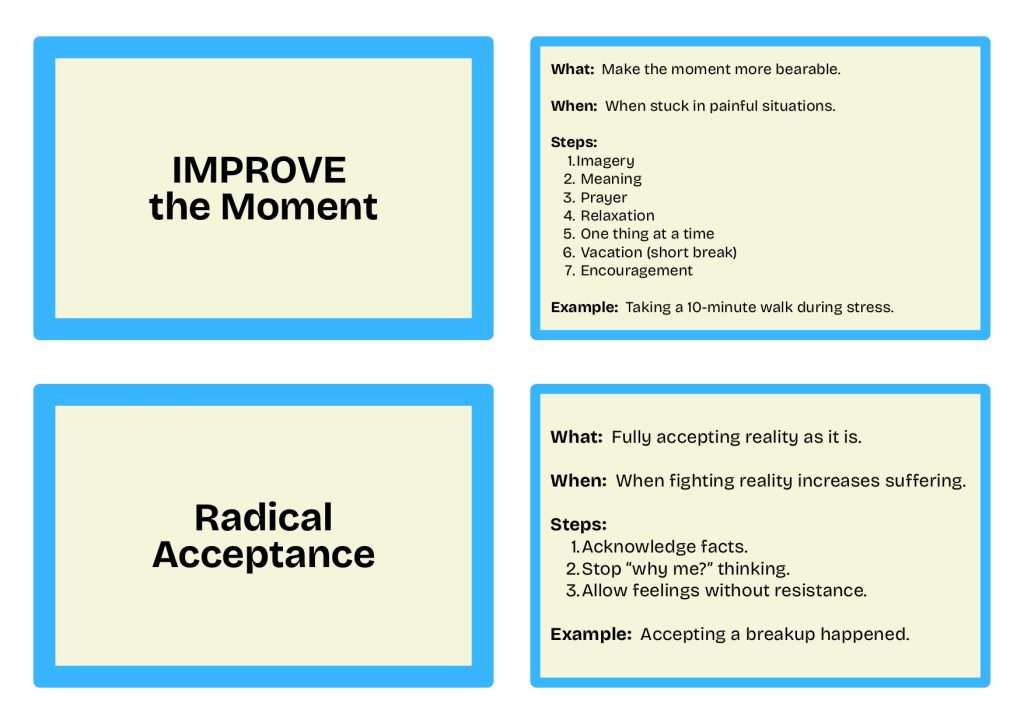
What DBT Means
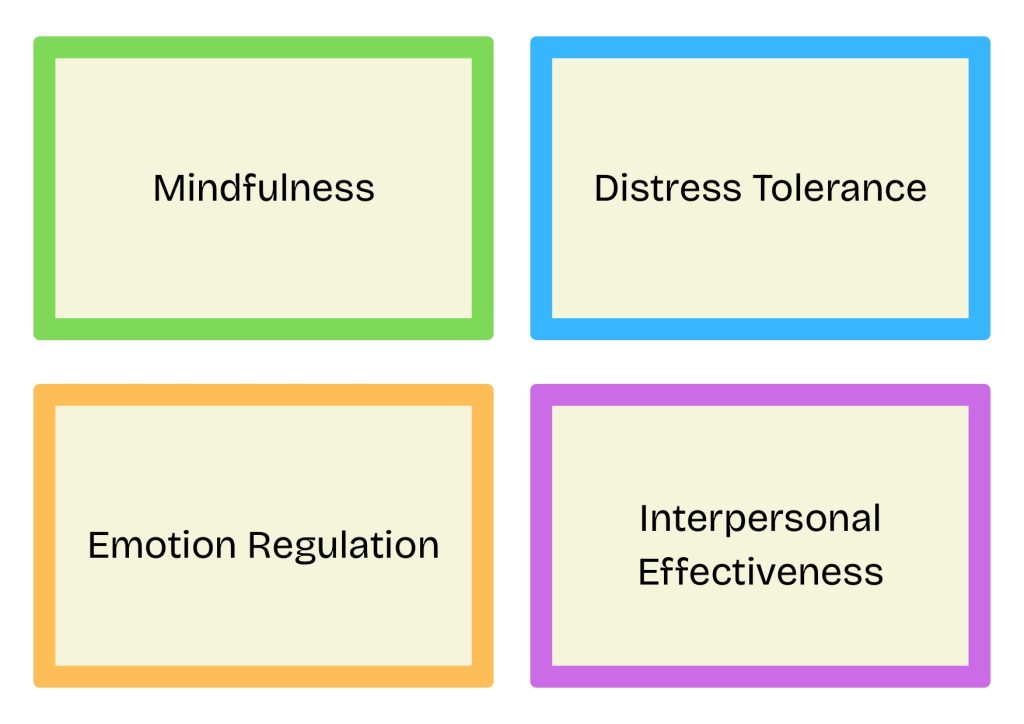
DBT was originally developed to help people who experience intense emotions. DBT is organized into four main areas.
- Mindfulness helps students become aware of what they are feeling before they react.
- Distress Tolerance gives tools for surviving the really overwhelming moments without making things worse.
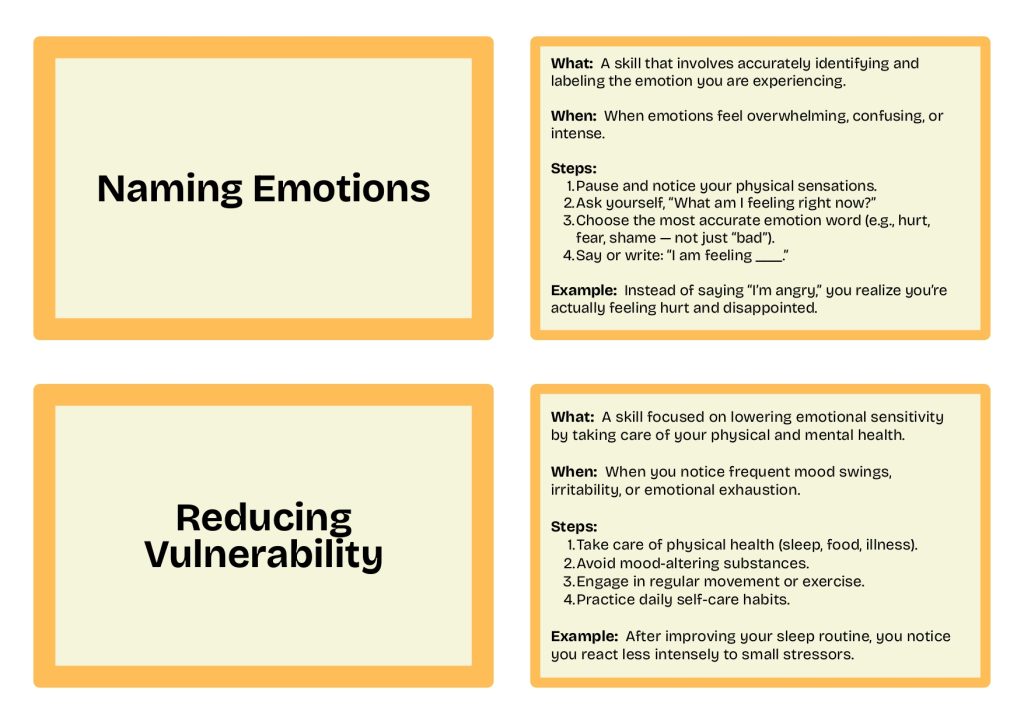
- Emotion Regulation helps students understand and gradually shift what they are feeling.
- Interpersonal Effectiveness teaches clear communication, boundary-setting, and how to keep relationships healthy even during disagreements.
The cards in this set cover skills from all four areas, with plain explanations, clear steps, and examples that reflect real high school situations.
The Skills Students Will Actually Use
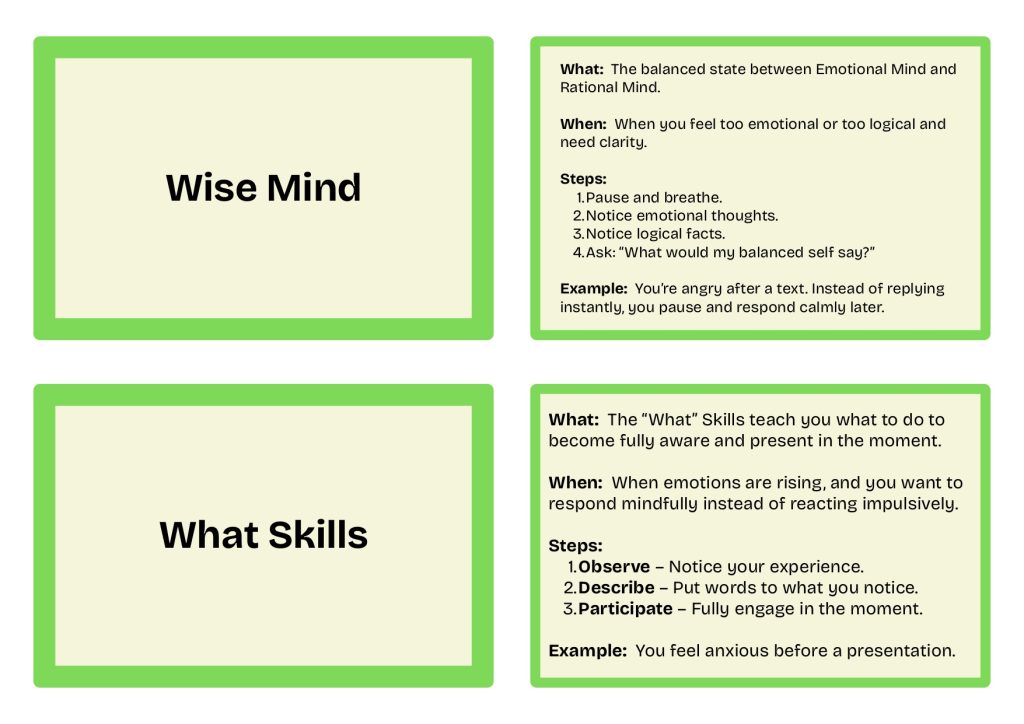
- Wise Mind: Wise Mind is the skill most students find immediately helpful. It describes the balanced space that sits between pure emotion and pure logic. When fury after a conflict with a friend takes over completely, that is the Emotional Mind. When facts are listed robotically to avoid feeling anything, that is the Rational Mind. Wise Mind is the pause in between, where a student can ask: what would my calmer self actually do right now?
- The STOP Skill: The STOP Skill is exactly what it sounds like, and it is one of the most immediately usable cards in the entire set. When the urge arrives to say something cutting, to storm out of a room, or to react in a way that will cause more problems than it solves, STOP provides a four-step pause. Stop completely. Take a step back. Observe what is actually happening internally. Then proceed mindfully.
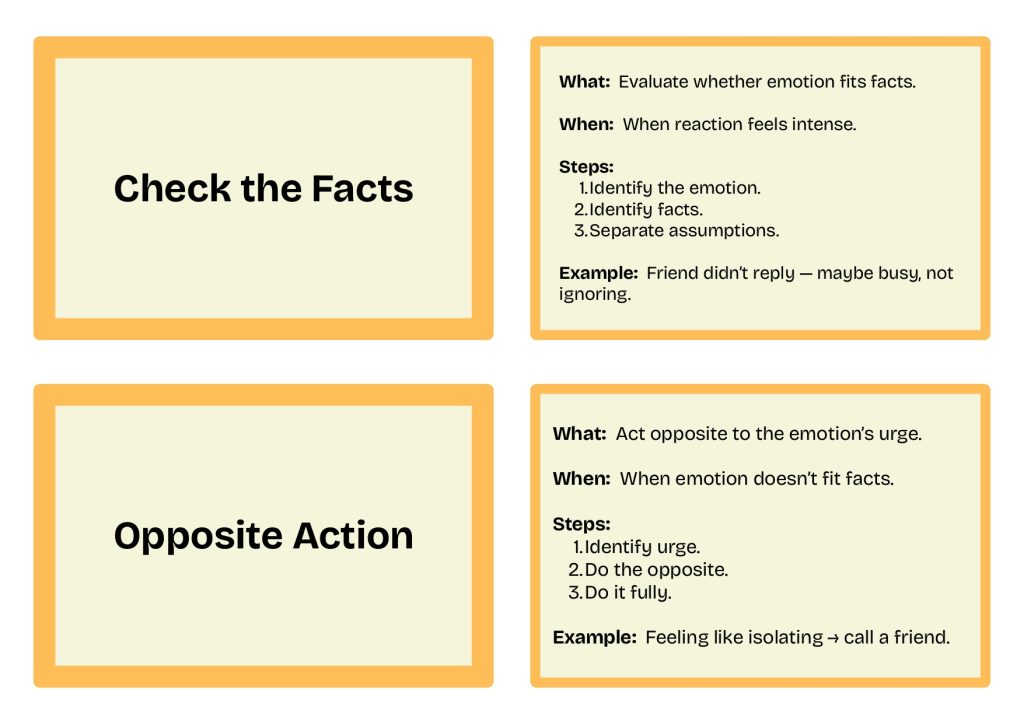
- Check the Facts: Check the Facts is a skill that students often resist and then quietly rely on once they actually try it. When a reaction to something feels enormous, this card asks the student to separate what genuinely happened from what was assumed.
- Opposite Action: Opposite Action is one of the most counterintuitive skills and one of the most effective. When emotion says to cancel plans, go quiet, and withdraw completely, Opposite Action says to show up anyway. To make the call. To walk into the room.
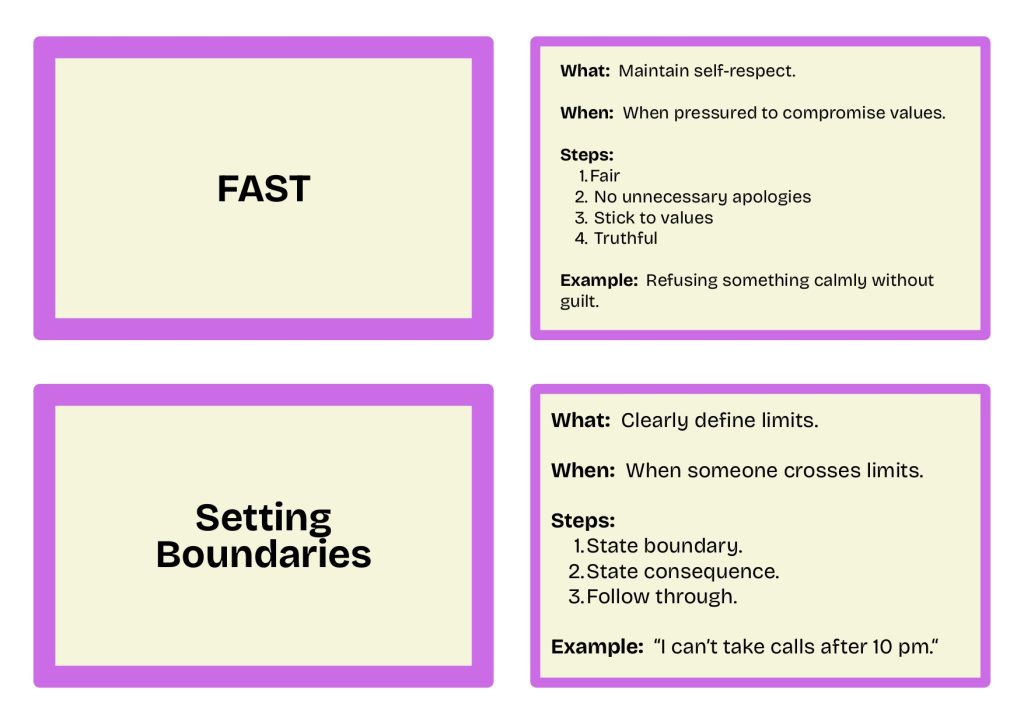
- FAST: FAST reminds students to maintain self-respect when pressure arrives. High school comes with enormous social pressure to go along with things, soften opinions, apologize constantly, and reshape personal values to fit what others expect.
- Radical Acceptance: The card that tends to sit with students the longest after they read it. It does not say that everything is fine. It says that some things have happened and cannot be unhappened, and that refusing to accept that reality creates a second layer of suffering on top of the original pain.
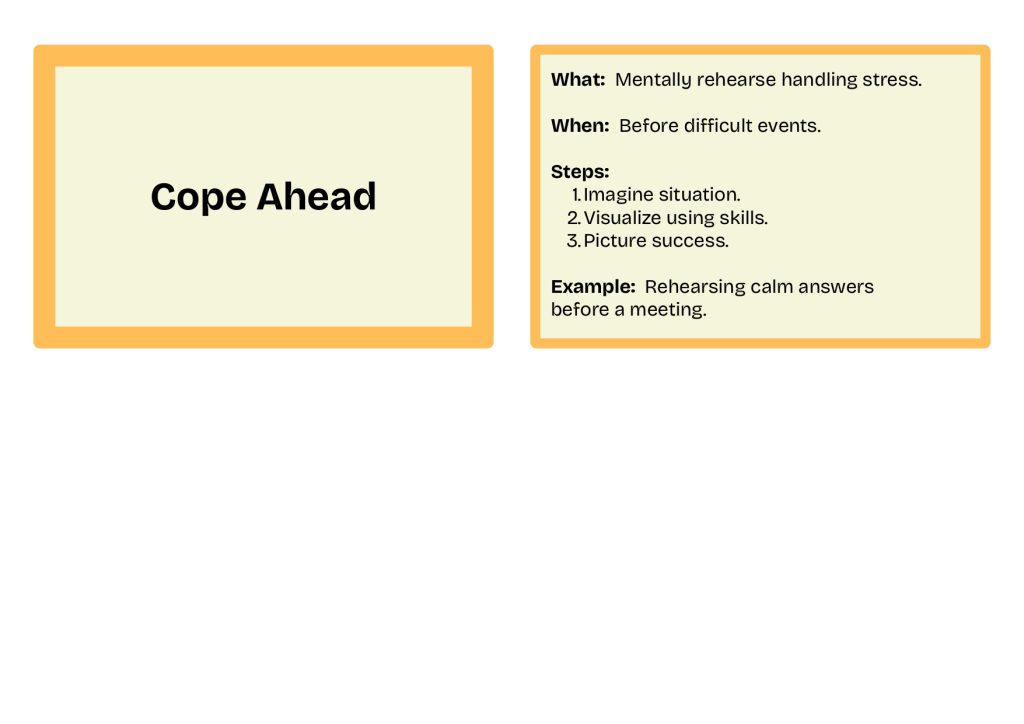
- The Cope Ahead card: This card is built entirely on this idea. Before a difficult conversation, a stressful exam, or a social situation that normally goes badly, students mentally rehearse using the skill. They picture the situation clearly, picture themselves responding with calm and intention, and picture a better outcome.
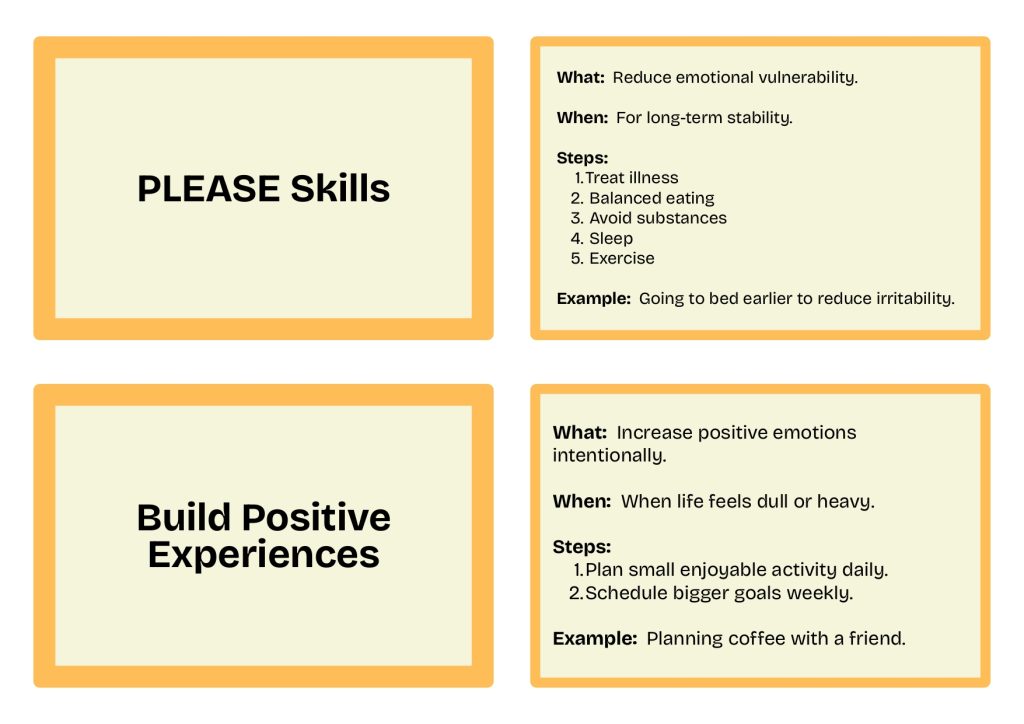
- PLEASE Skills: PLEASE Skills and Build Positive Experiences remind students that emotional health is not only about managing crises. Sleep, regular meals, movement, and small daily moments of enjoyment build the foundation that makes every other skill easier to reach.
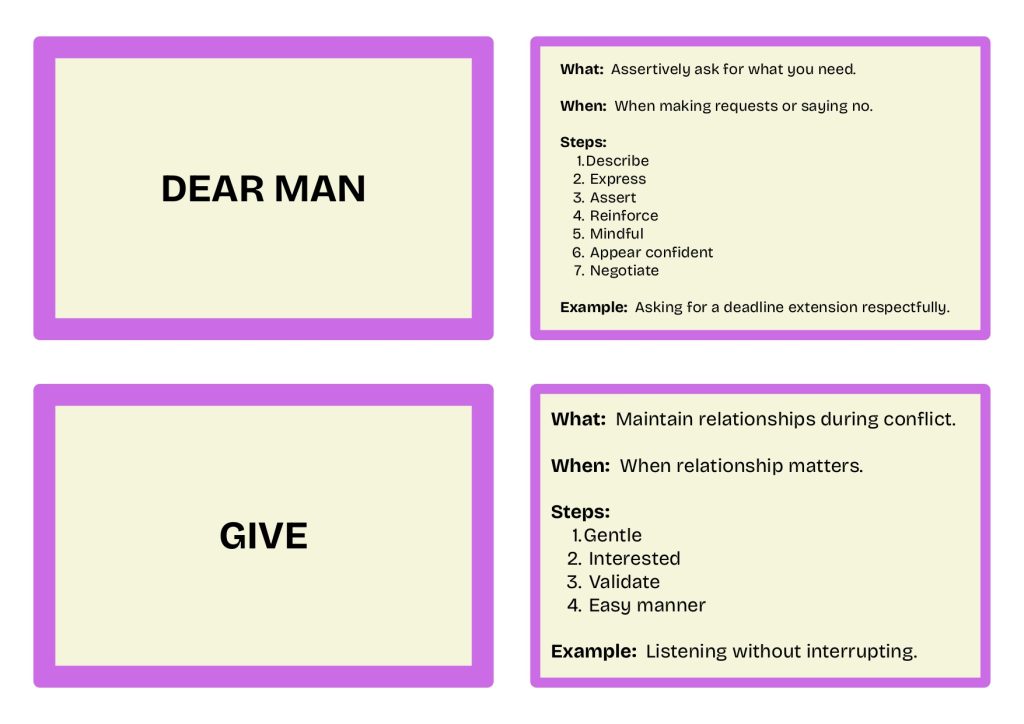
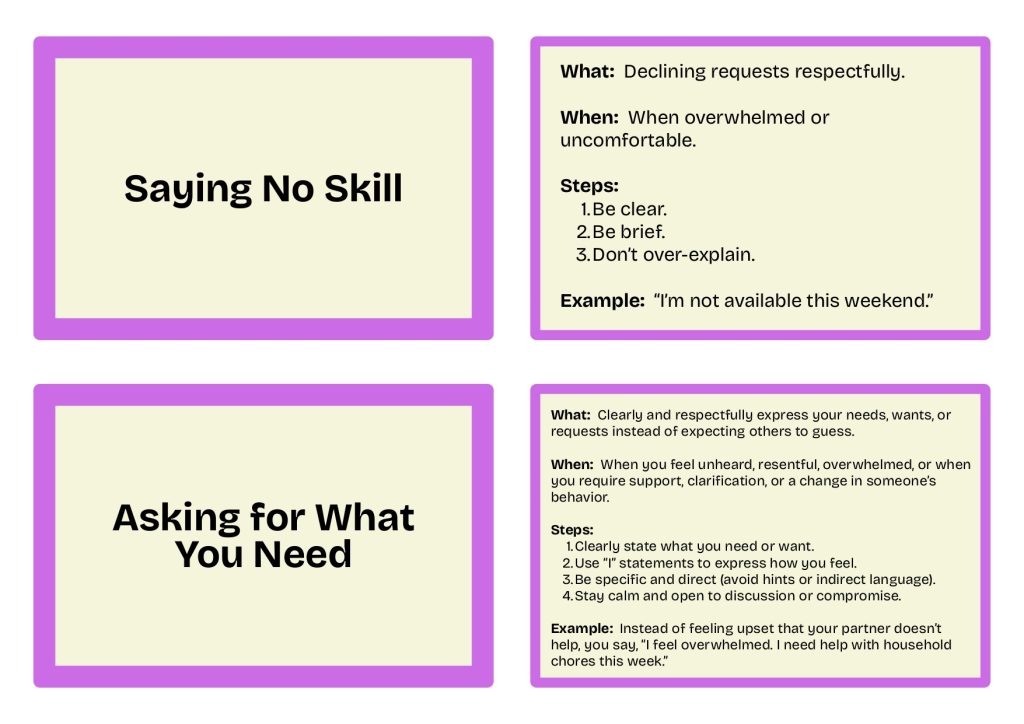
- DEAR MAN: DEAR MAN helps students ask for what they actually need. Whether that is a respectful conversation with a teacher about an assignment, a direct request of a friend, or a calm boundary conversation with a family member, this skill walks through how to make the request clearly and confidently.
Students who have been working through Spanish Greetings Flashcards have already practiced something similar. Saying a new word out loud, directly, and trusting that clear and respectful communication works far better than hinting and hoping the other person figures out what was meant.
Games That Make Learning Stick
1. Emotion Charades: Students draw a DBT core skill card and act it out without speaking. Someone with Opposite Action might mime heading out the door while looking like they want to stay home. Someone with Mindful Breathing performs slow, deliberate breaths while the class guesses.
The physical connection between the body and the concept helps skills stick much better than reading alone. This works well as a classroom warm-up or a quick wind-down before the bell.
2. Skill Detective: Hide cards around the classroom before students arrive, with clues attached to each spot. Find the skill that helps you pause before reacting. Locate the card that teaches acceptance of things outside your control.
Students move around the room, matching clues to cards. By the time every card is found, students have already read each description twice without realizing it.
3. Skills Speed Round: Spread all cards face up across the room. The teacher calls out a situation, and students race to grab the most relevant card. About to say something you will regret: students scramble for STOP Skill. Feeling low and avoiding a friend: students reach for Opposite Action.
The friendly competition keeps energy high and builds fast recognition that eventually becomes automatic recall.
4. Build a Coping Plan: Give each student a random collection of cards. Their task is to arrange them into a personal coping plan for a difficult situation of their own choosing and explain how each skill connects to the next.
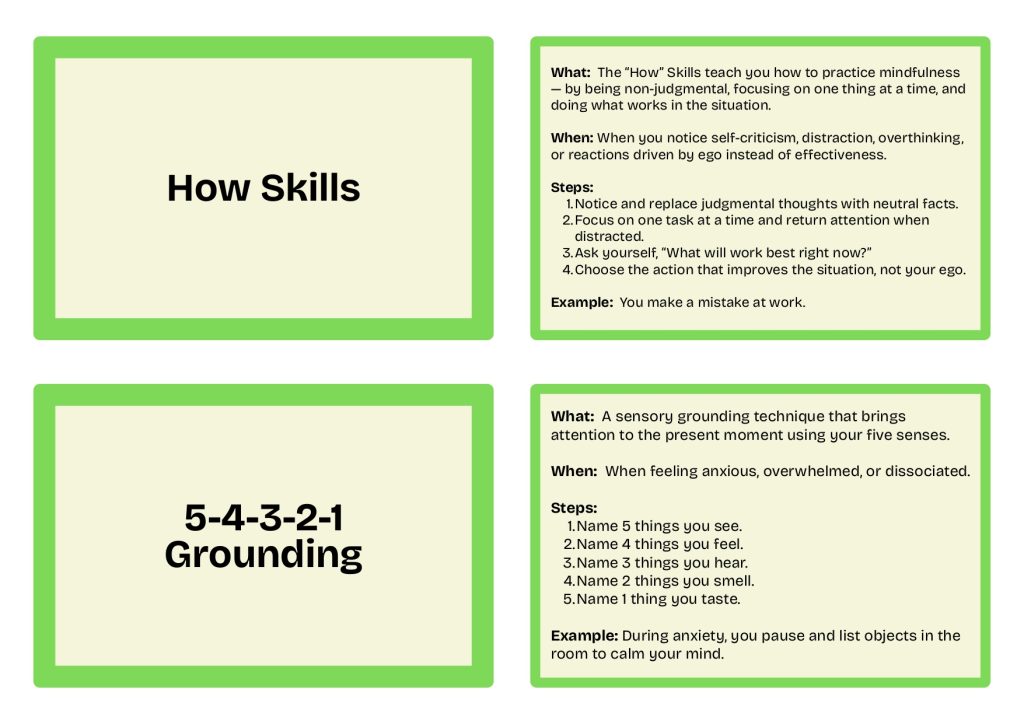
A student might start with 5-4-3-2-1 Grounding, move to Check the Facts, then use DEAR MAN to have the conversation they have been avoiding. This builds genuine strategic thinking alongside skill recognition.
Just like Music Symbols Flashcards break down complex notation into clear musical instructions, these DBT cards take psychology skills that sound complicated and make them practical, clear, and immediately useful.
Simple Printing Instructions
Download the DBT Core Skill Flashcards, then open the PDF in any standard PDF viewer. Select Print from the File menu, then choose A4 paper size with Portrait orientation. Set the page scaling to Fit to Page so every card prints cleanly within its borders.
Color printing brings out the four color categories clearly, with green for Mindfulness, blue for Distress Tolerance, orange for Emotion Regulation, and purple for Interpersonal Effectiveness. This color coding helps students find the right card quickly when they need it most. Black and white printing works perfectly well for everyday study and classroom use.