
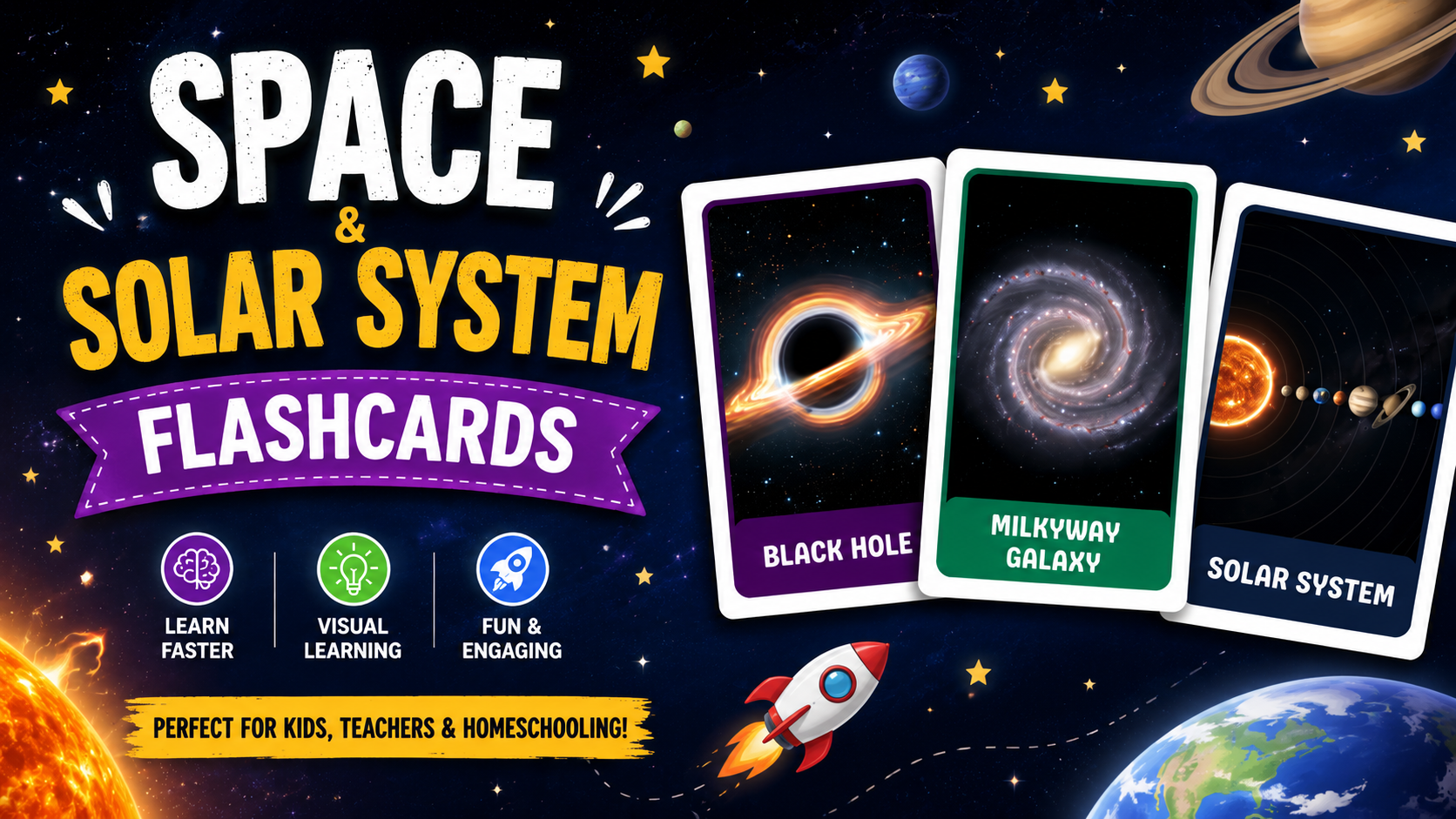
The minute you look at the sky full of stars, you are certain to admire it continuously. It is amazing to see stars twinkling and forming unique shapes up above your head. That is exactly what children feel when they see stars and planets. Unlike adults, children love to live in a world of imagination. They might even be considering traveling to space; you can never guarantee what little learners think.
It is important for these curious minds to know about what lies beyond the sky. They need to understand the concept of planets, stars, galaxies, and the mysterious possibility of life. Because that truly fuels their desire to learn more. Sticking to explanations may not be a good idea. After all, it does not help them visualize what space actually looks like.
Using space and solar system flashcards is an excellent way to introduce the world beyond the earth. These flashcards help children understand colors, pictures, orbits, and elements in space. By using these cards, you can send them into an engaging learning zone.
Stars and Solar System Flashcards: Check What’s Included Inside
Stars and solar system flashcards are specifically designed to introduce children to the world beyond what they see. This set has fifteen unique flashcards to support learning and encourage curious minds to ask questions. Each card takes them closer to the subject matter without trying too hard.
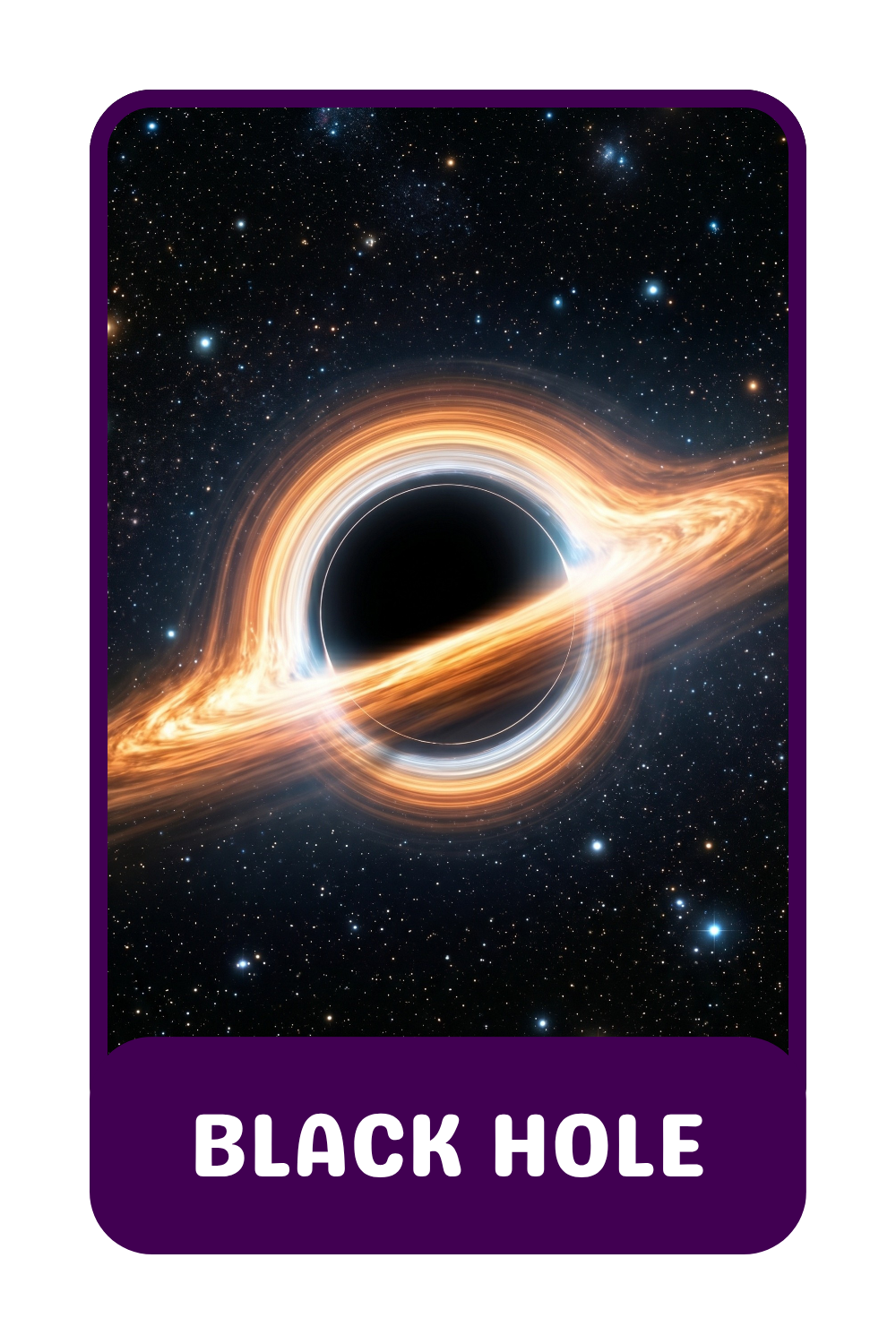
- Black Hole – Do you know what happens when a star reaches the end of its life? Sometimes, it can turn into a black hole. It is a mysterious object in space with gravity so strong that nothing, not even light, can escape it. So, if you ever go near a black hole, it is going to pull you inside an unknown world.
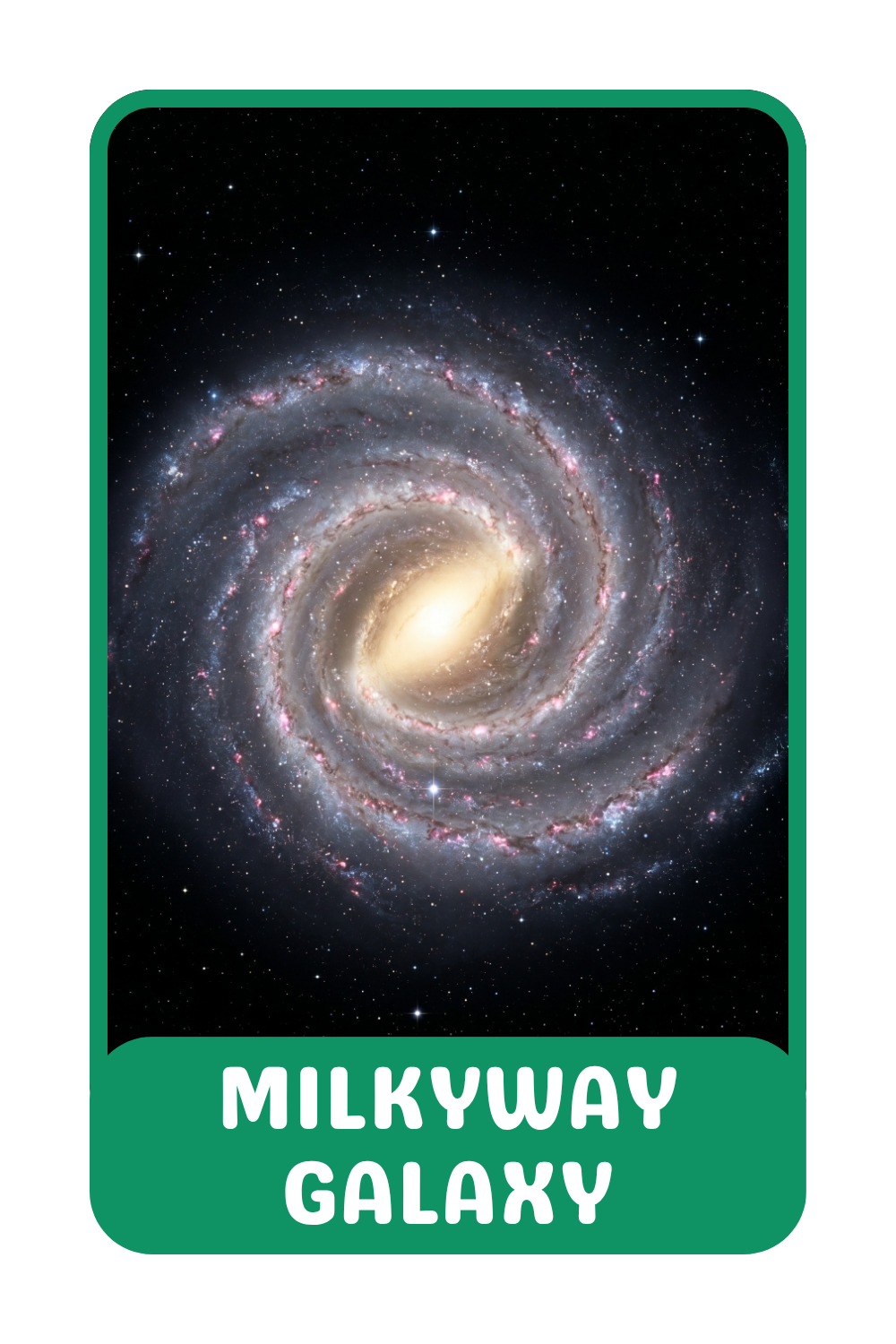
- Milky Way Galaxy – Did you know that Earth is part of a giant galaxy called the Milky Way? It is filled with billions of stars, planets, and other space objects. So, the Milky Way is our home in the universe. It looks like a faint band of light across the night sky. It is because we are seeing it from inside the galaxy itself.
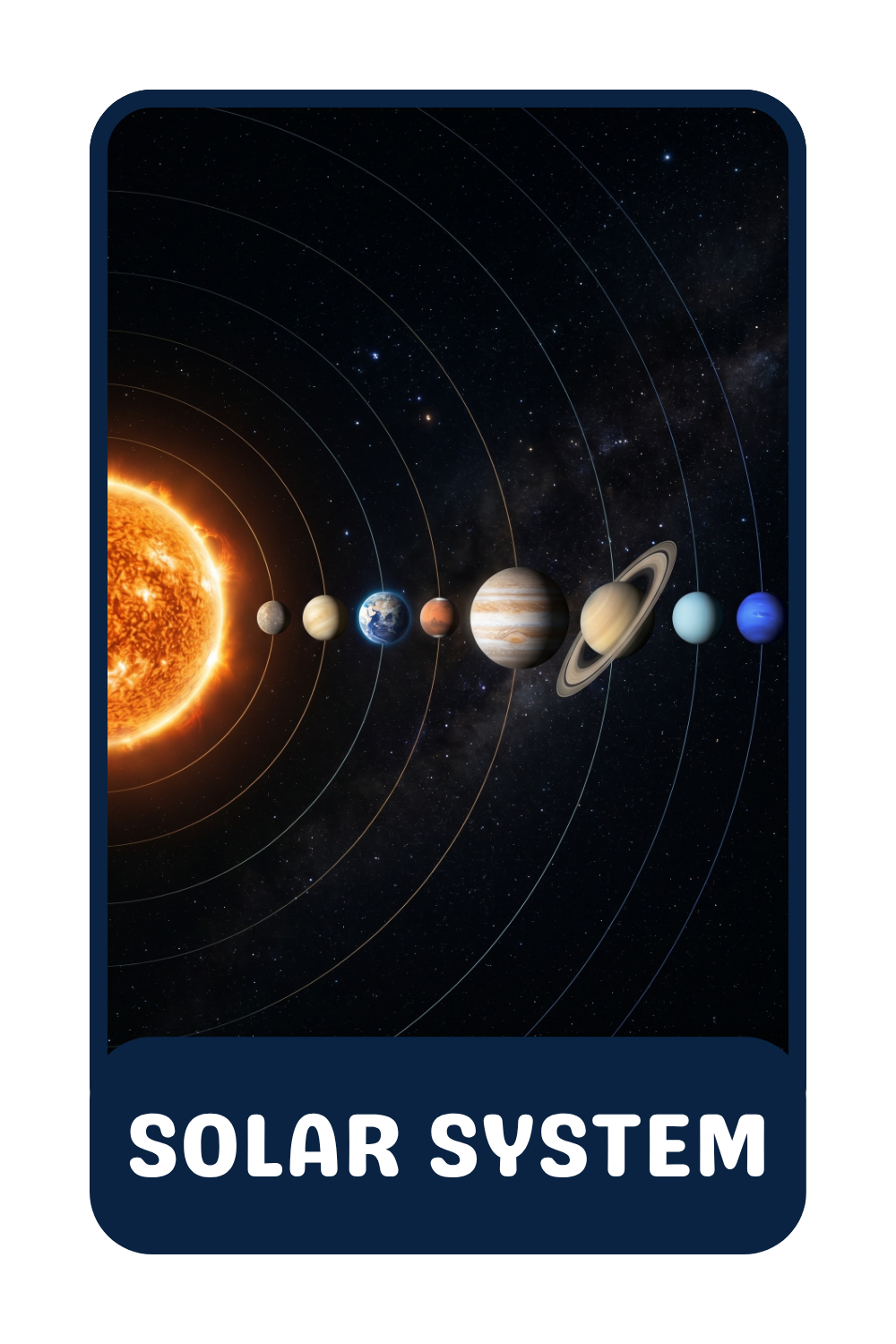
- Solar System – The Solar System is like a big family of planets, moons, and other objects that move around the Sun. It has multiple rocky planets, icy worlds far away, and unknown planets too. The planets are divided into rocky inner planets and giant outer planets. Every member of the Solar System has something special about it.
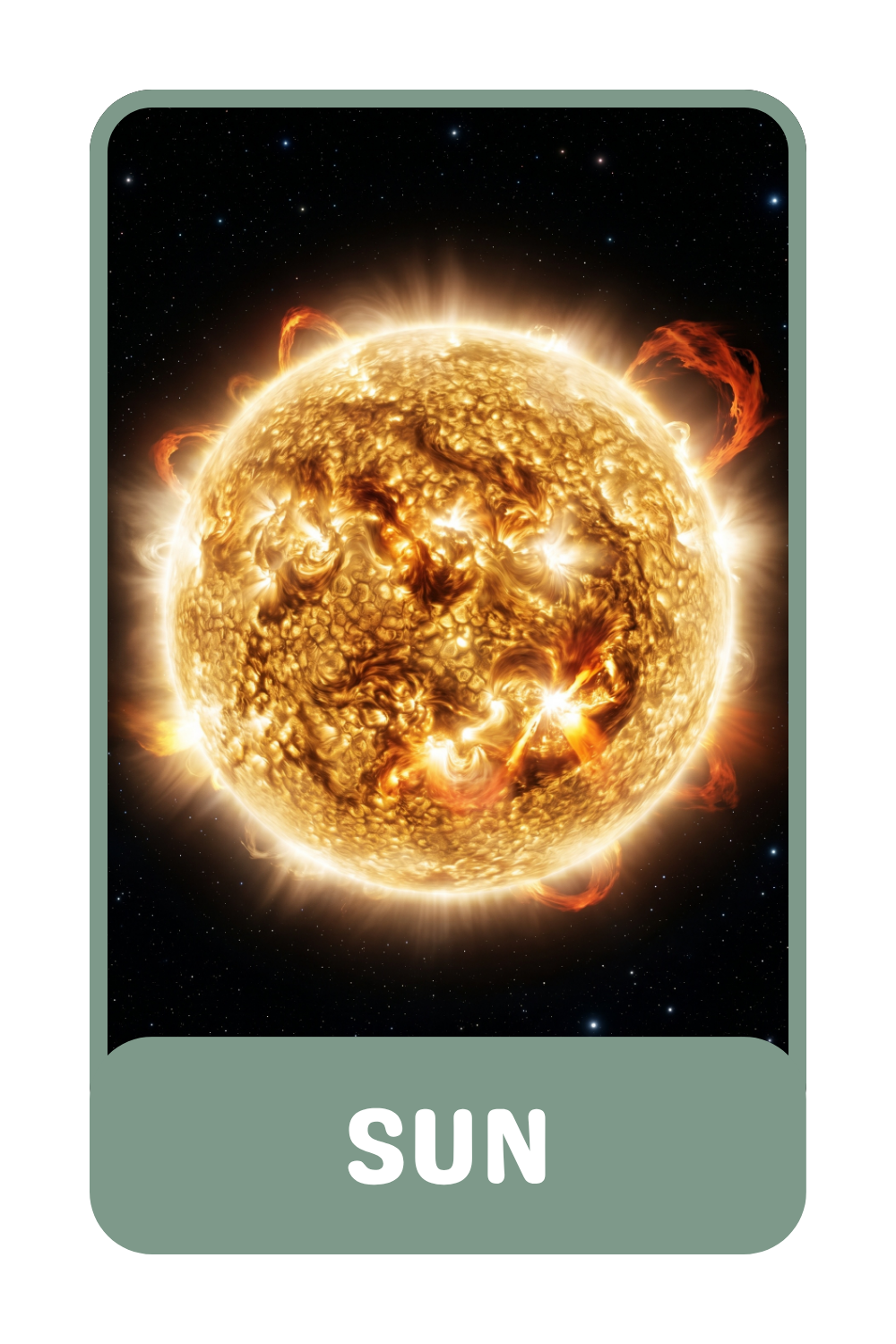
- Sun – Do you know the Sun is also a star? The huge star gives light, warmth, and energy to the Earth every day. Without the Sun, life on our planet would not be possible. Also, all planets travel around the sun throughout the year. This makes it one of the most important stars in the solar system.
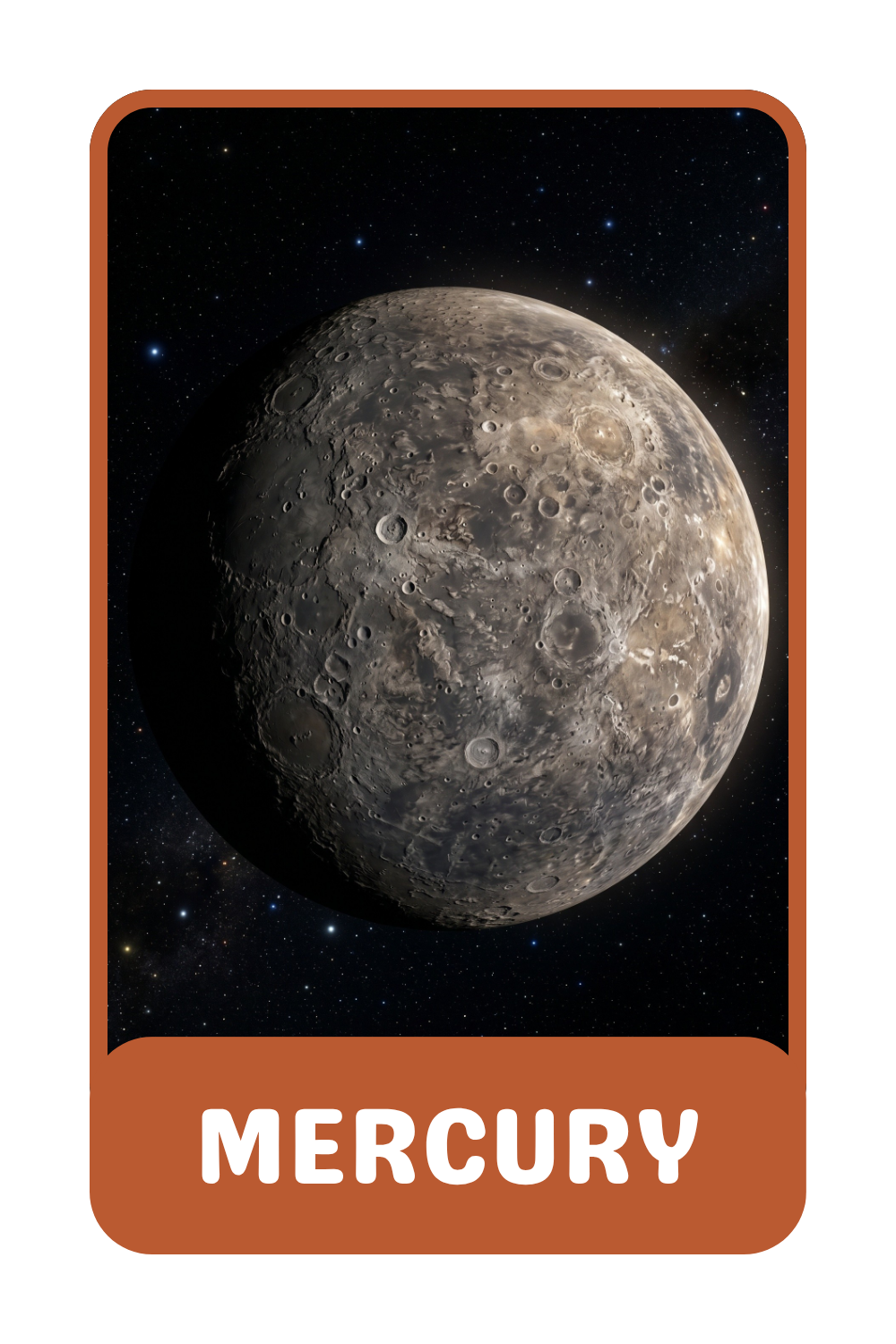
- Mercury – Mercury is the smallest planet in our solar system. It is also the closest one to the Sun so, the planet is extremely hot. It has a rocky surface covered with craters, much like the Moon. Even though a year on Mercury is very short, its days are surprisingly long.
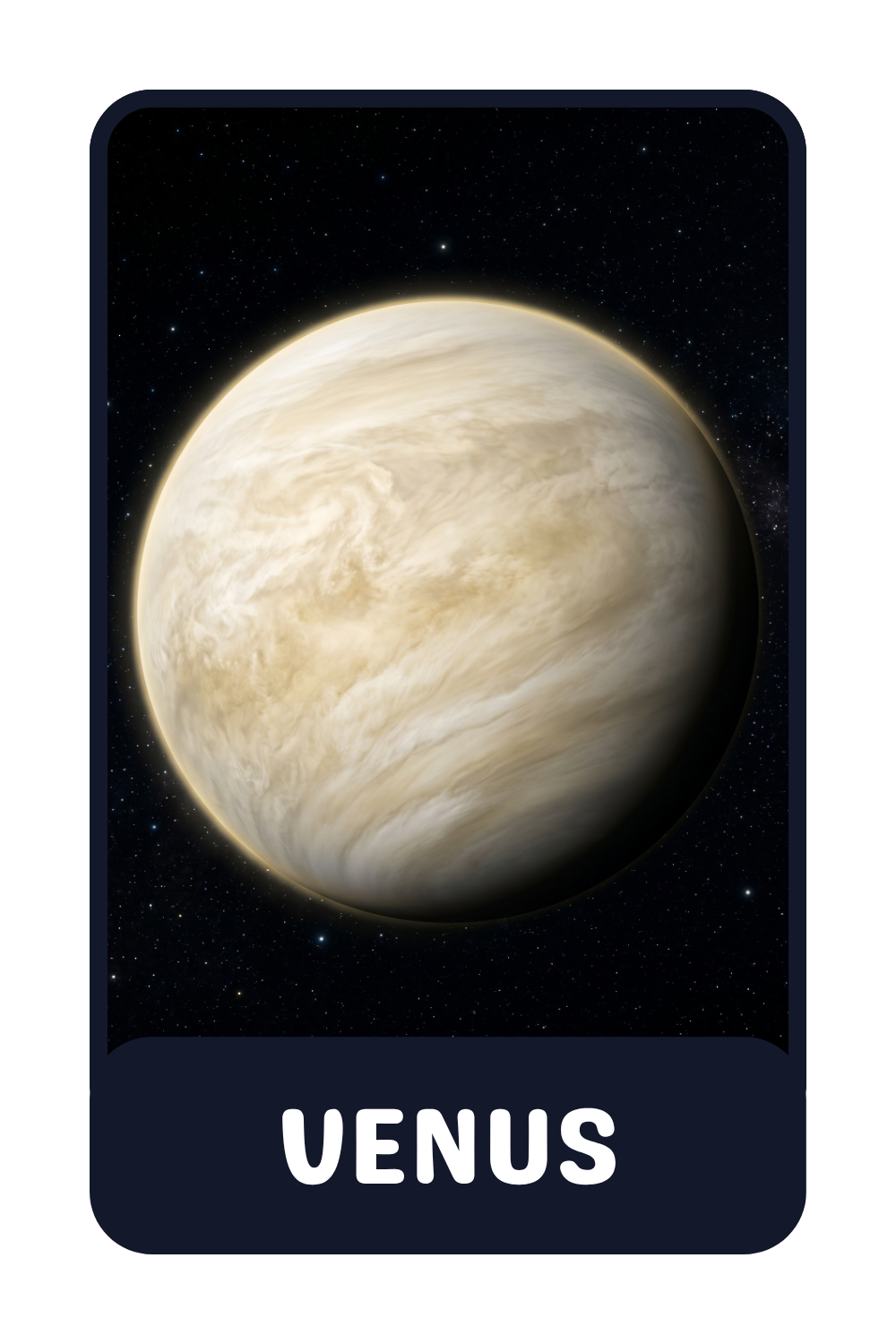
- Venus – Venus is often called Earth’s twin because it is similar in size. However, it is actually a very different world. The planet is covered by thick clouds and incredibly hot temperatures. It is also known as the hottest planet in the solar system. Its bright appearance makes it one of the easiest planets to spot in the sky with the help of a telescope.
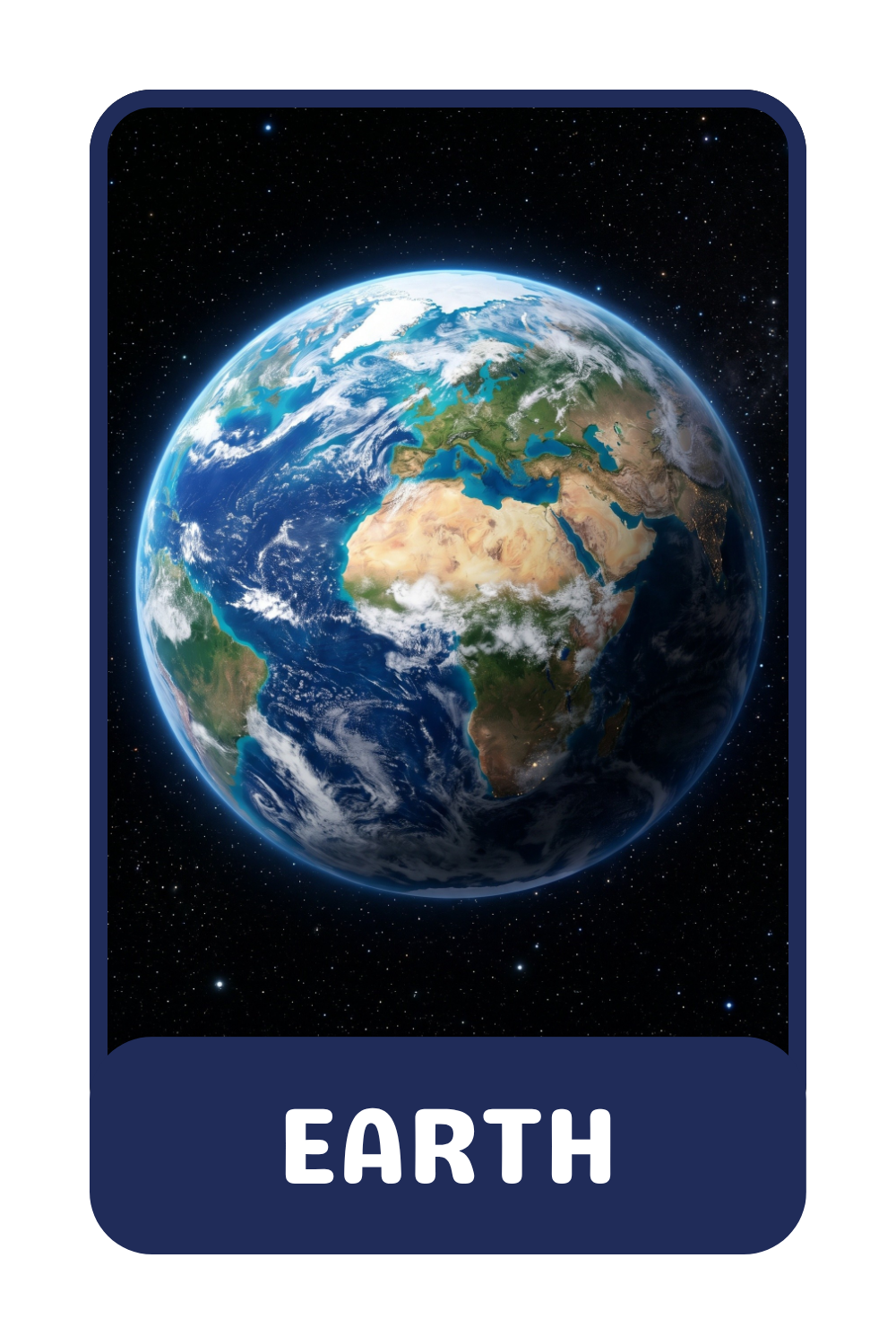
- Earth – Earth is our home and the only planet known to support life. It has many oceans, forests, mountains, and animals. So, the Earth gets a very special place in the solar system. The planet has air to breathe, water to drink, and the right conditions for life to exist.
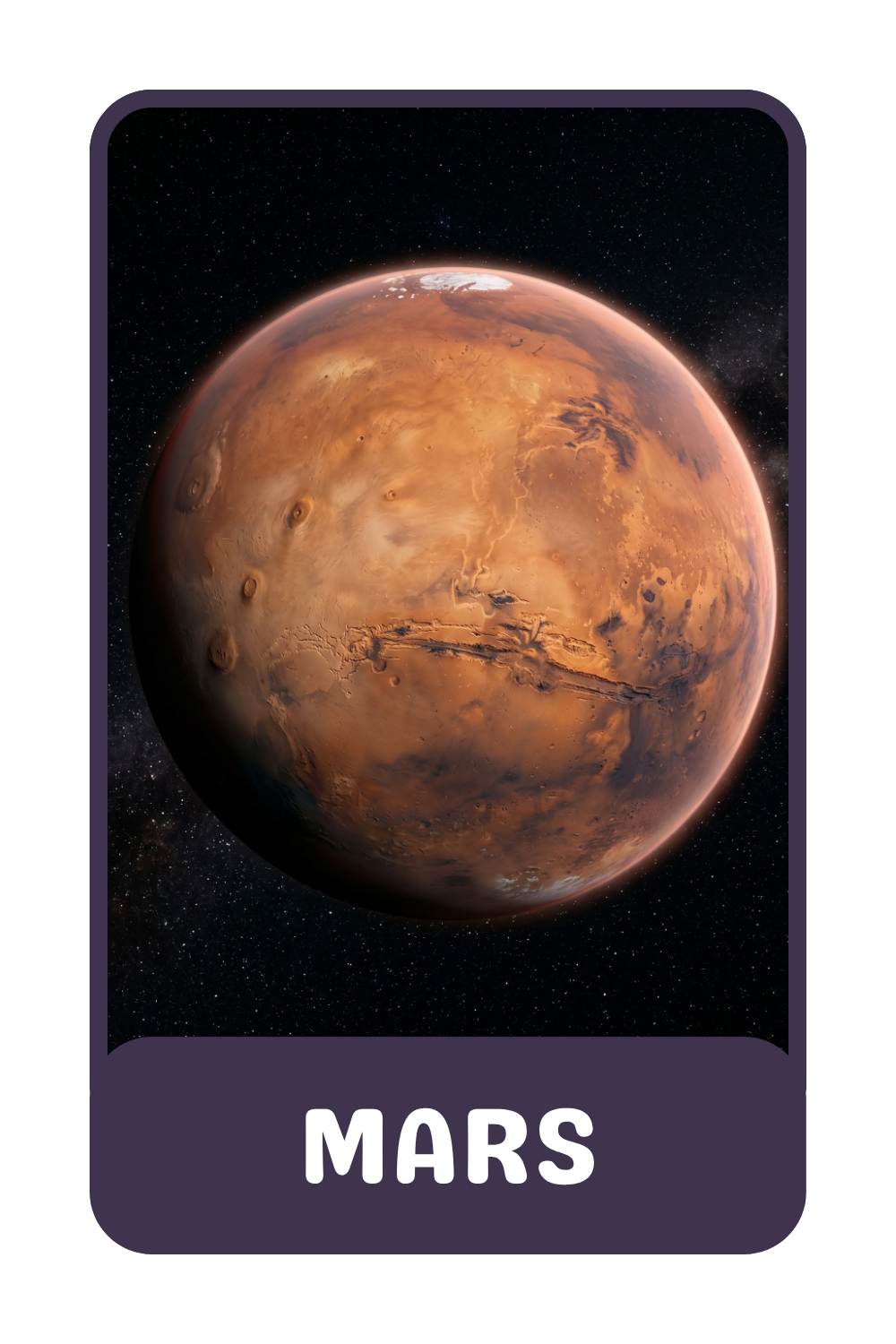
- Mars – Known as the Red Planet, Mars has captured people’s imaginations for many years. Do you know it has giant volcanoes, deep valleys, and icy polar caps? Scientists are studying Mars to learn whether life may have existed there long ago.
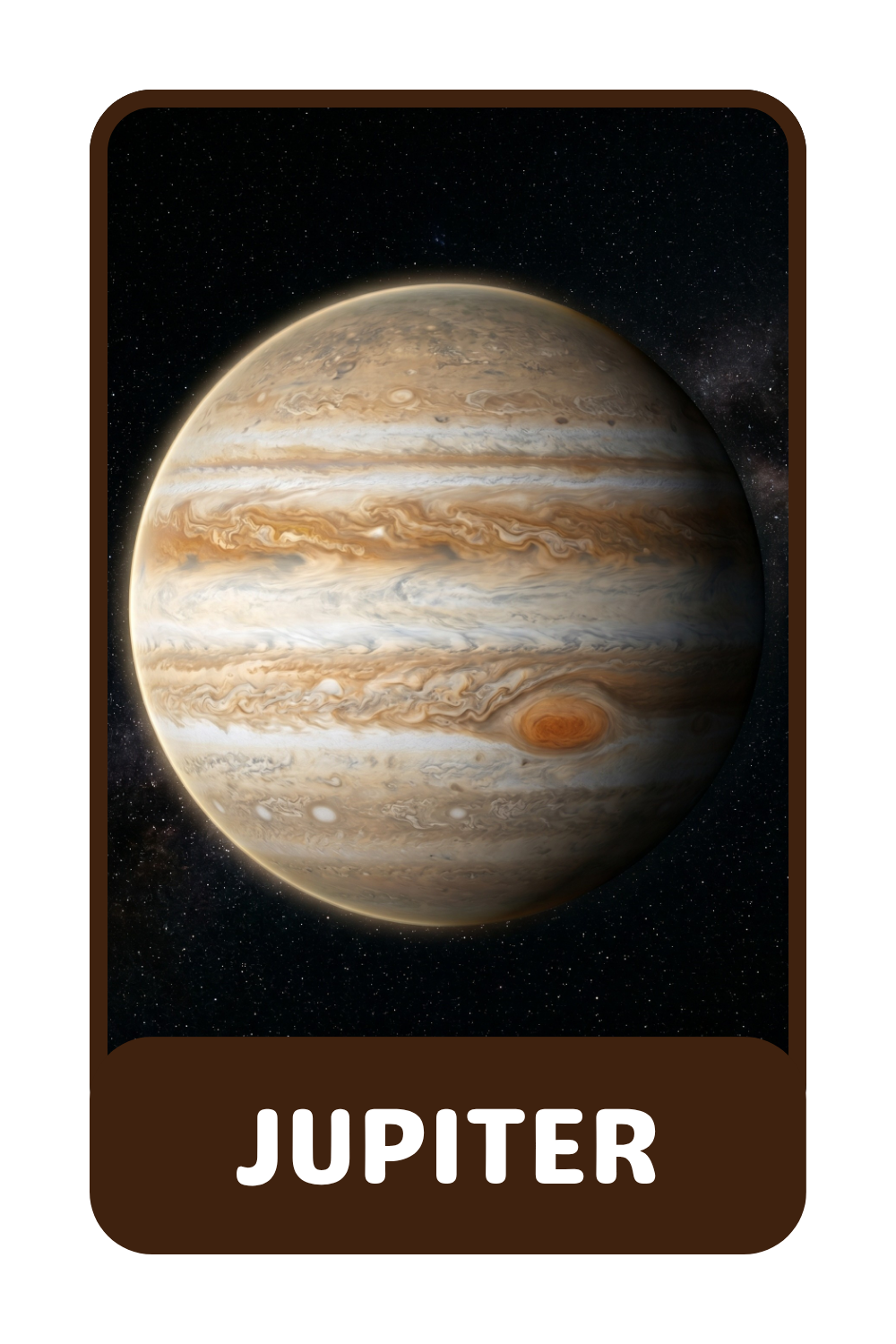
- Jupiter – Jupiter is the largest planet in the solar system. It is famous for its giant storm called the Great Red Spot. Imagine that it is so big that more than 1,300 Earths could fit inside it. With dozens of moons and incredible size, Jupiter captures the attention of every space enthusiast.
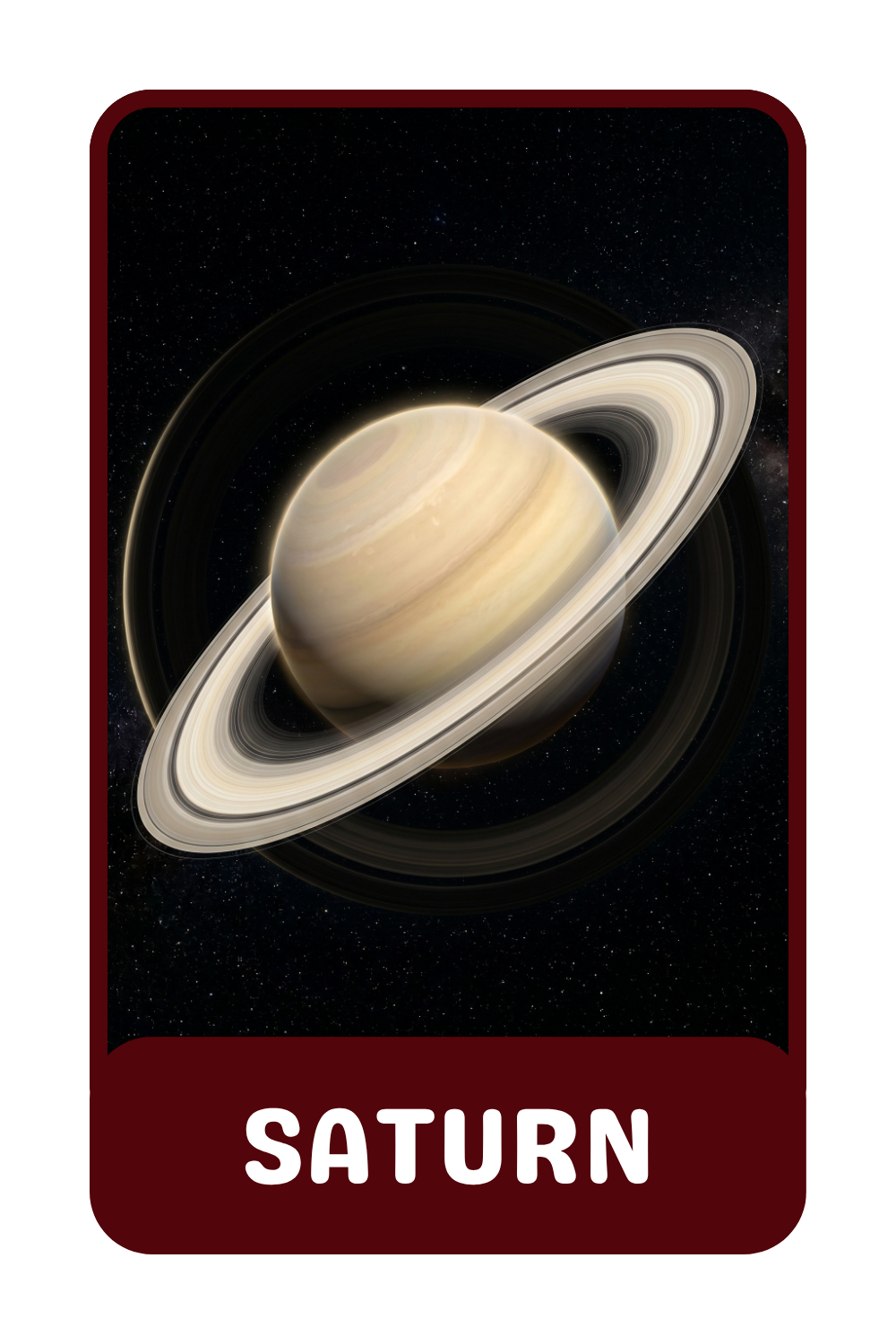
- Saturn – Saturn is best known for its beautiful rings that circle the planet. These rings are made of ice, rock, and dust, creating one of the most stunning sights in space. This giant planet is made mostly of gas.
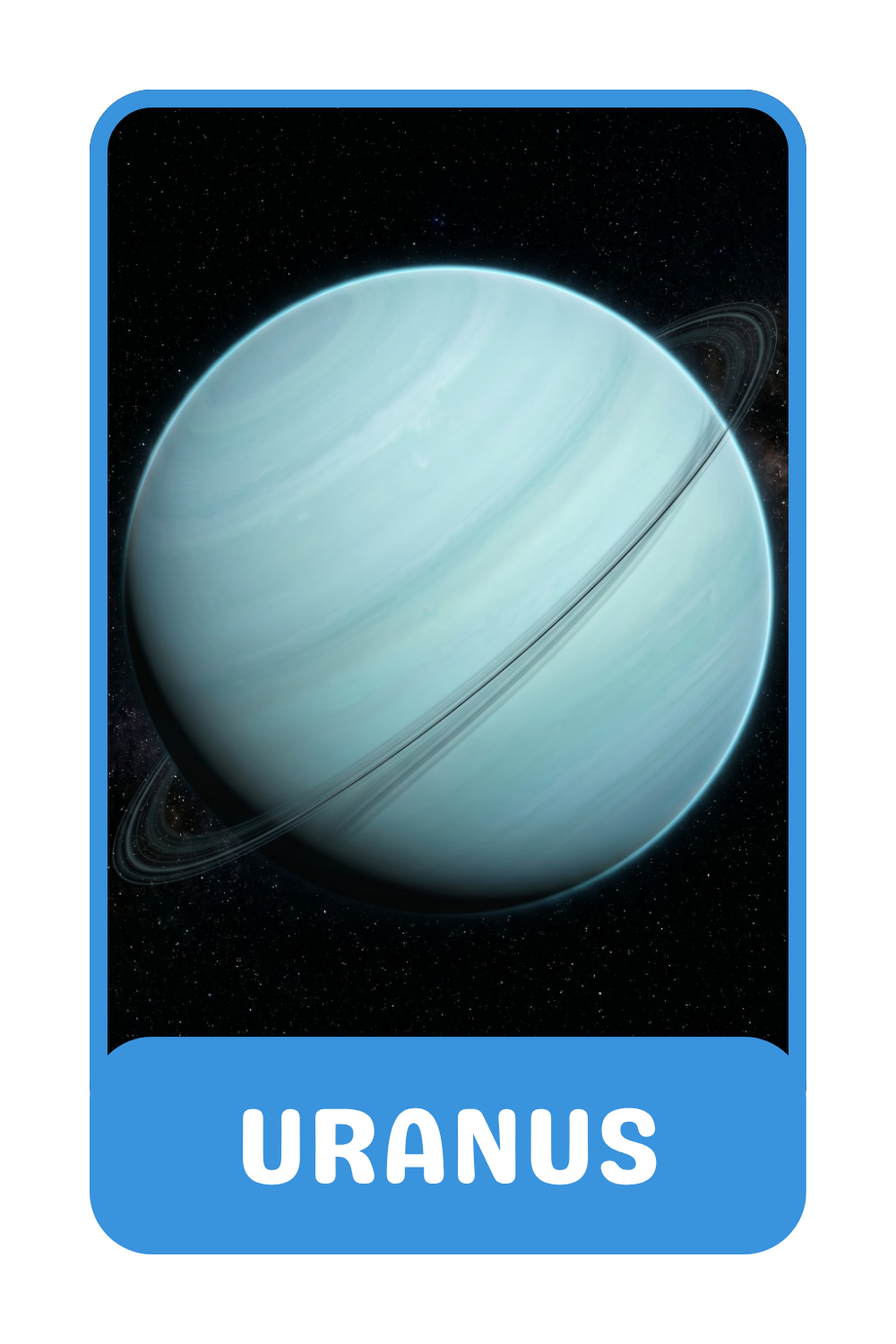
- Uranus – Uranus is a unique planet that spins on its side, unlike the other planets. Its blue-green color comes from gases in its atmosphere. No wonder it is one of the most unusual worlds in our Solar System.
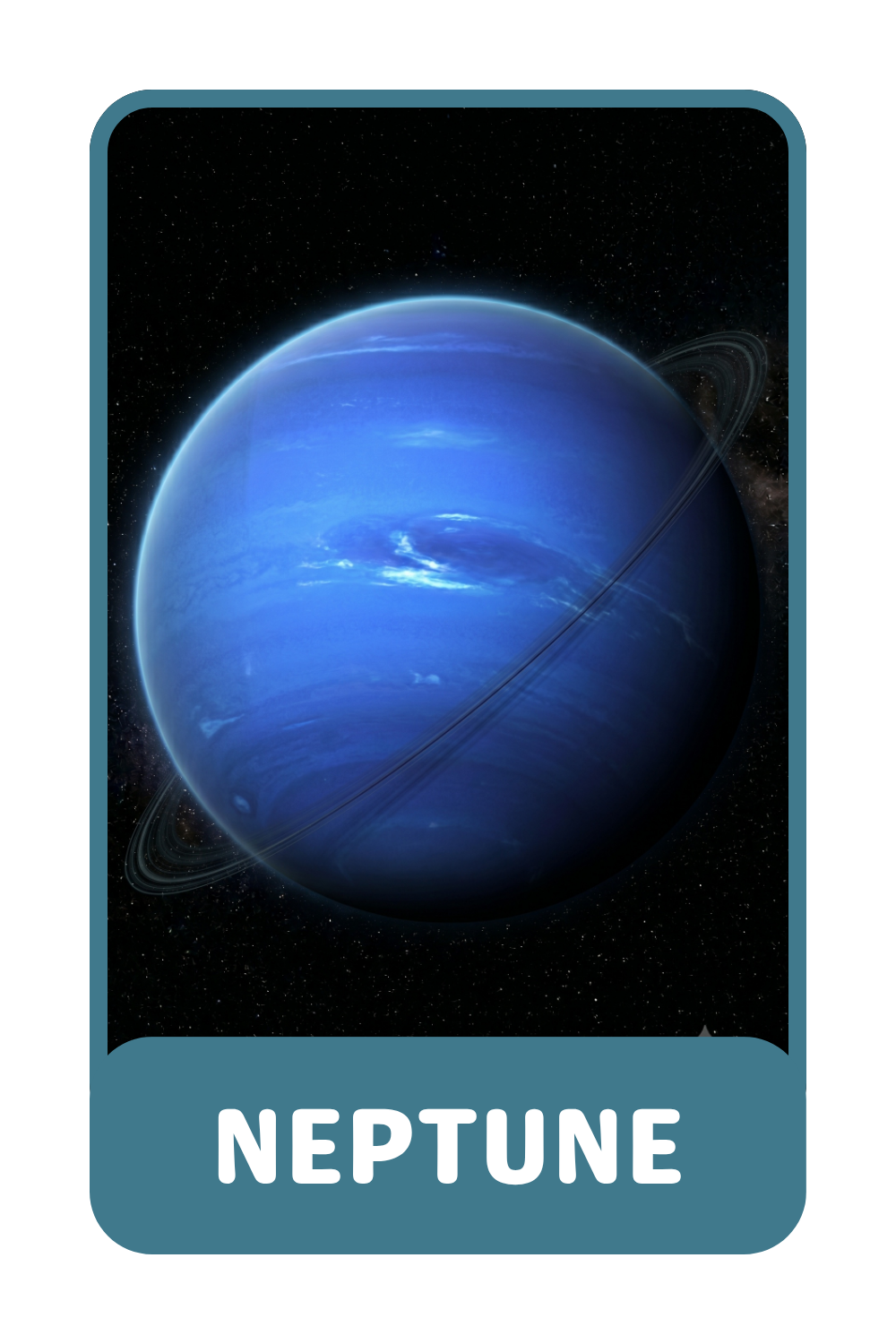
- Neptune – This is the farthest planet from the Sun. Do you know it has powerful winds and a deep blue color? Even though it is very far away, scientists have learned a lot about this icy giant. You can also use weather flashcards for kids to help them understand rainy, windy, and hot weather.
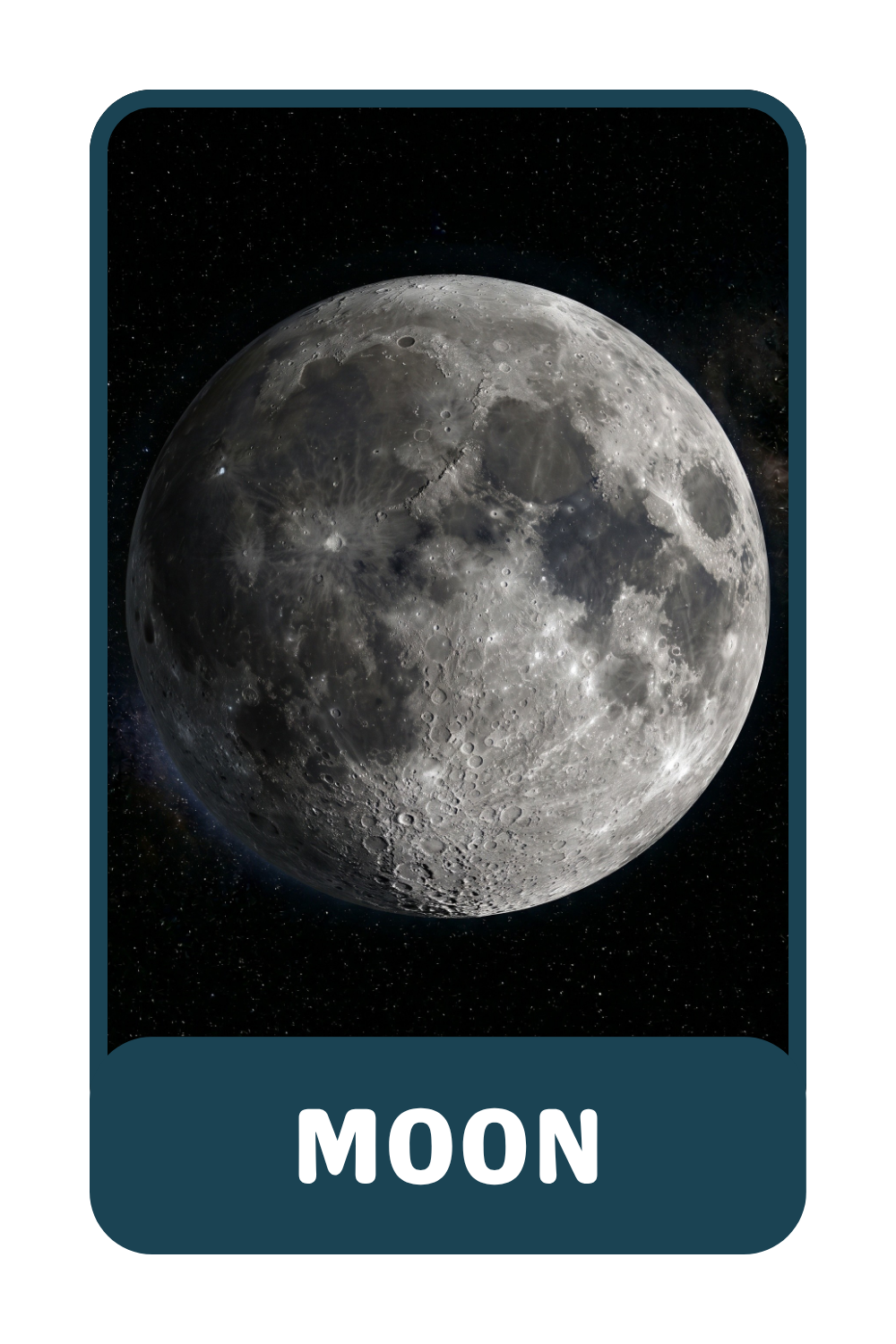
- Moon – The Moon is Earth’s closest neighbor in space. It is a satellite that lights up our night sky. Do you know it reflects sunlight, which is why it shines in the night sky? It also affects ocean tides and has inspired stories and adventures for centuries.
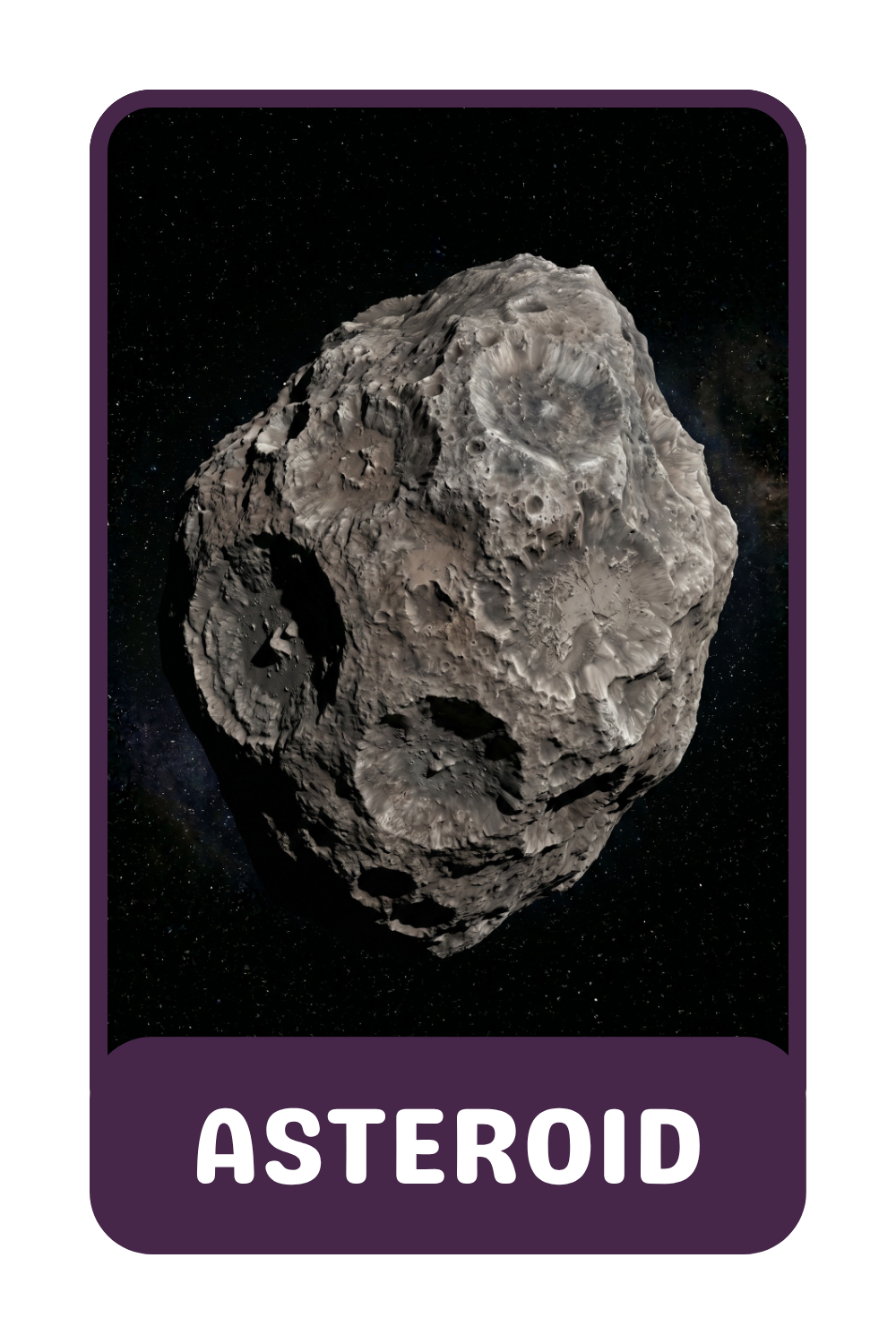
- Asteroid – Asteroids are rocky objects that travel through space. They are mostly found in a region called the Asteroid Belt. Asteroids come in many shapes and sizes. They can teach scientists about the early solar system.
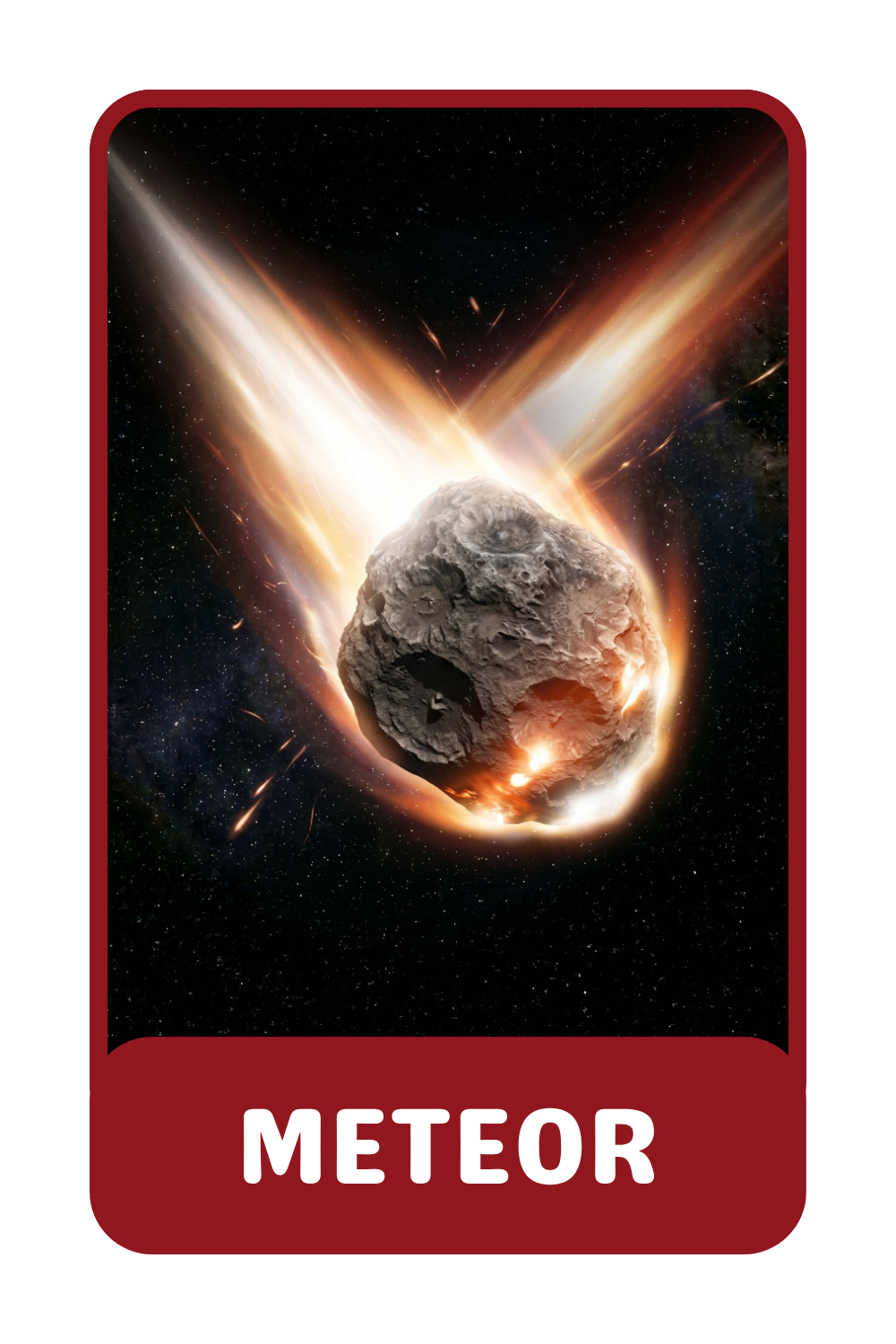
- Meteor – Have you ever seen a shooting star streak across the night sky? It may actually have been a meteor. Meteors are pieces of rock that enter Earth’s atmosphere. They also glow brightly as they travel through the air. Some meteors completely burn away, while larger pieces may reach the ground as meteorites.
Unique Ways to Use Star and Solar System Flashcards
It can be confusing how to use flashcards if you do not have many ideas. However, these flashcards can be used in various ways to spark curiosity and make children learn more than just names of planets and space objects. The below-mentioned ways help you create excitement while teaching.
- Use them for interactive quiz sessions where children answer questions, identify objects from clues, or describe what they know about a particular card.
- Create exciting storytelling activities by encouraging children to imagine traveling through space and visiting the objects shown on the flashcards.
- Play memory and matching games by pairing flashcards with names, facts, or descriptions. These games make learning engaging while strengthening memory.
- Use the flashcards during group discussions and presentations where children share interesting facts and explain what they have learned about a particular space object.
- Organize a space sorting race where players quickly group planets, moons, stars, and other objects into the correct categories.
- Encourage children to compare planets and vote for which one they would most like to visit and why.
- Create a planet hunt activity by hiding flashcards around the room and asking children to find specific planets or space objects.
Wrapping Up
Space flashcards are an engaging way to explore the wonders of the universe. Children get to learn about exciting space objects through colorful visuals. These flashcards make learning about astronomy more interactive.
It helps children become familiar with important space concepts while sparking curiosity about the world beyond Earth. If your children and students love these cards, you can further introduce them to dinosaur flashcards for kids. It keeps their imaginative minds engaged while expanding their knowledge.