
Your four-year-old refuses to wash their hands before dinner. Again. You’ve explained germs a thousand times, but the concept means nothing to them. They can’t see germs, so why should they care?
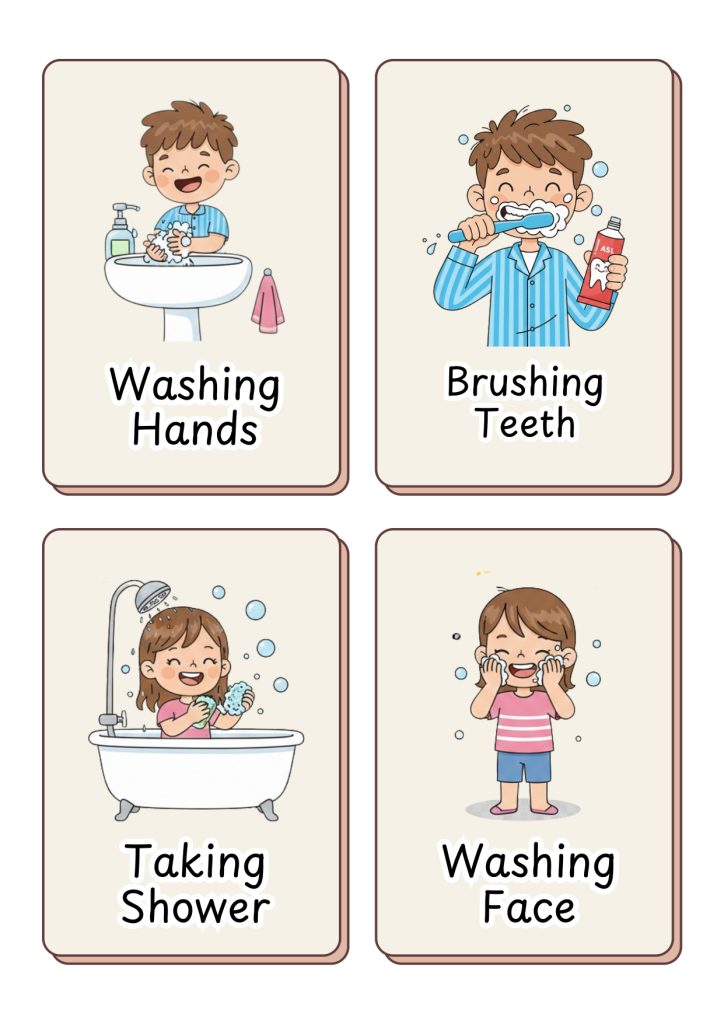
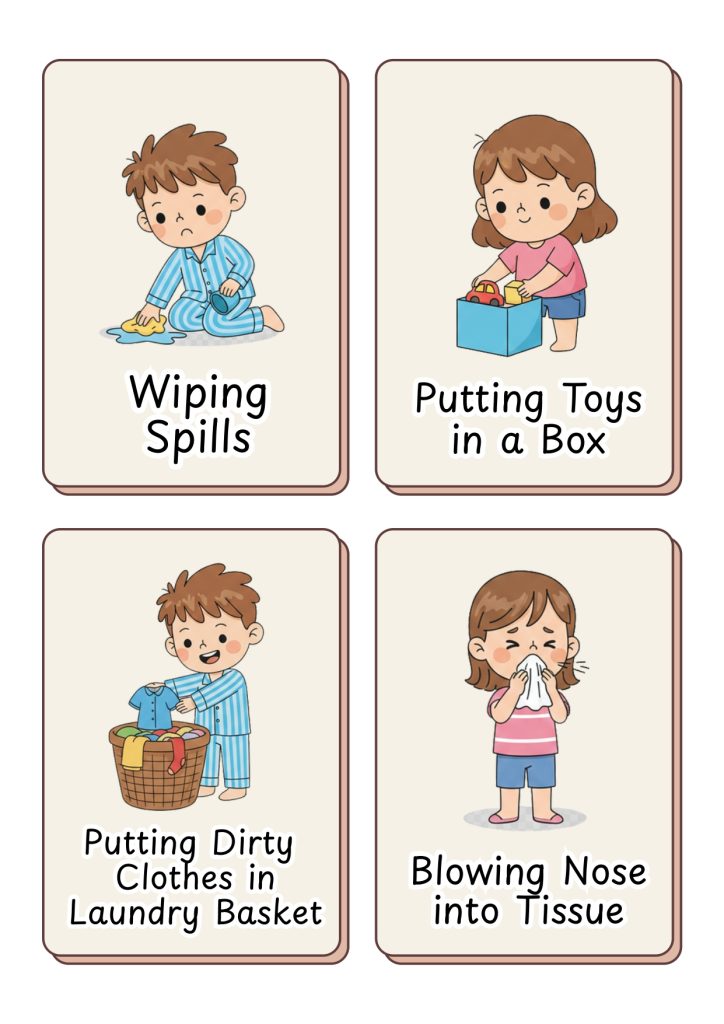
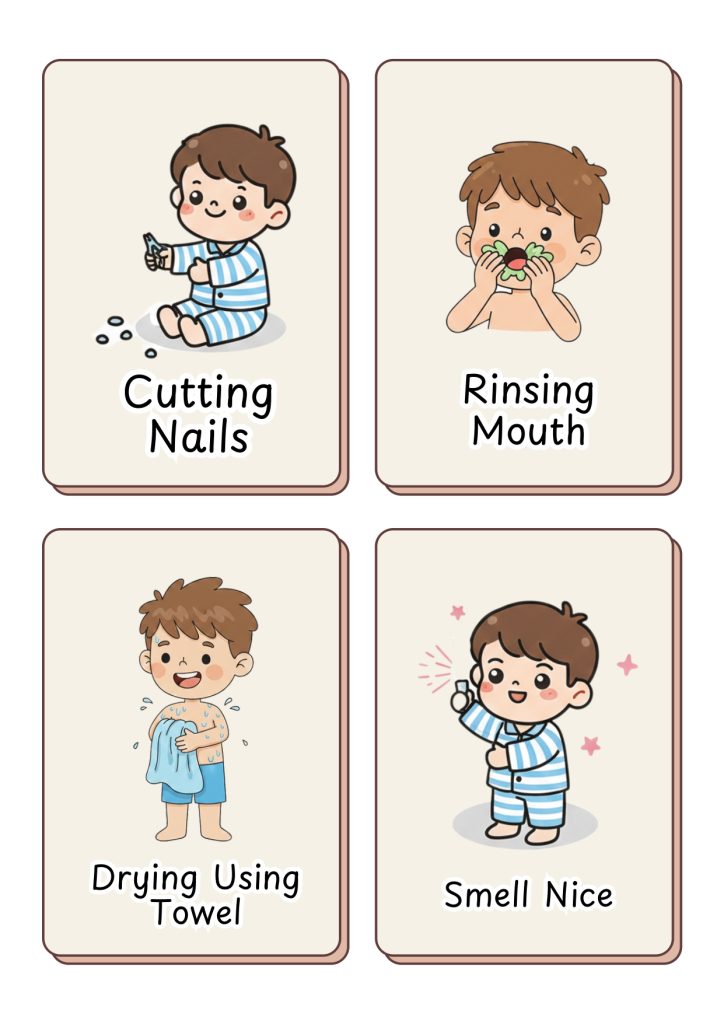
These Personal Hygiene Flashcards make invisible concepts visible. Twenty cards showing hygiene habits that actually matter for kids’ health and social development. No scary bacteria pictures or lectures about disease. Just clear actions that help children understand why daily habits exist and what happens when they skip them.
When your child sees the difference between clean teeth and teeth covered in plaque buildup, they’re connecting brushing to real results. When they spot the card showing tangled hair versus brushed hair, they understand why you keep mentioning that hairbrush every morning.
Images



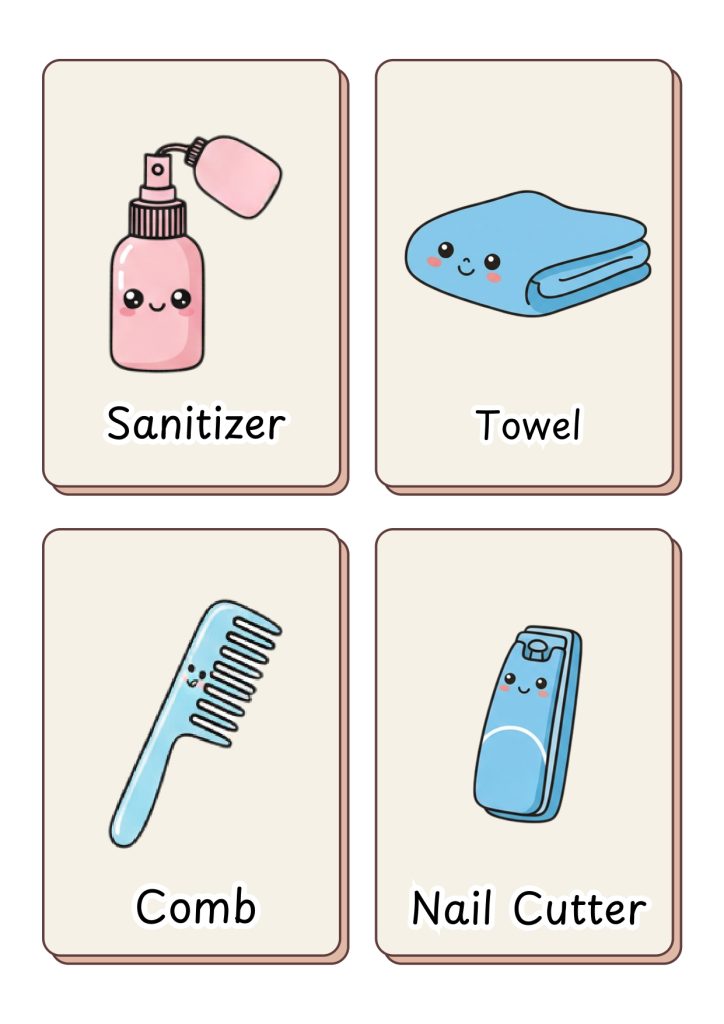
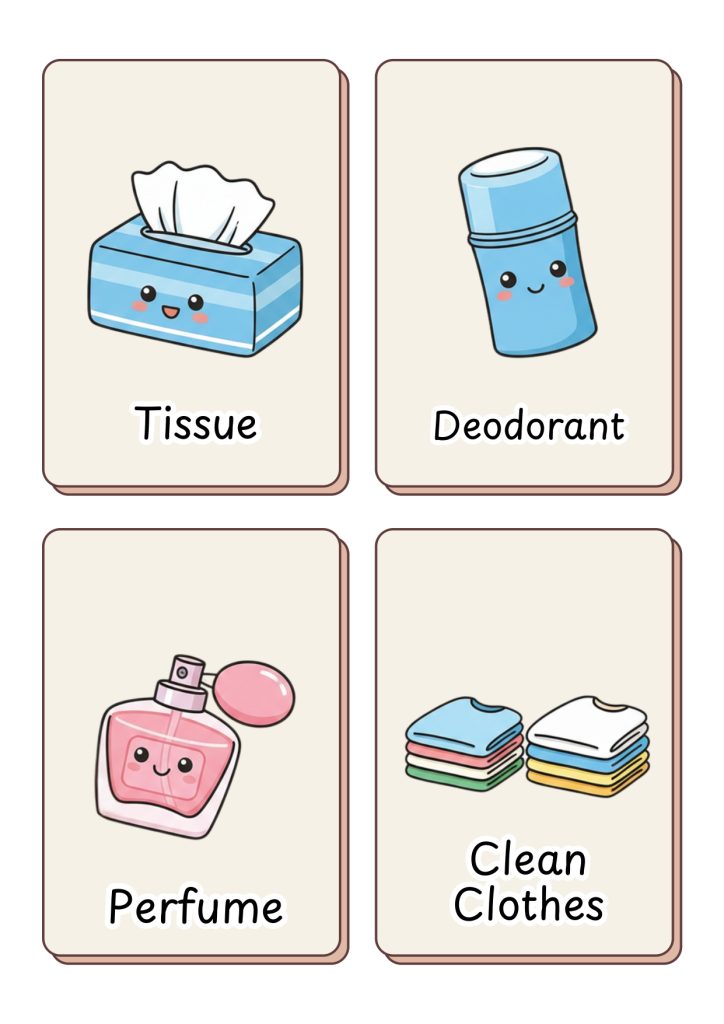

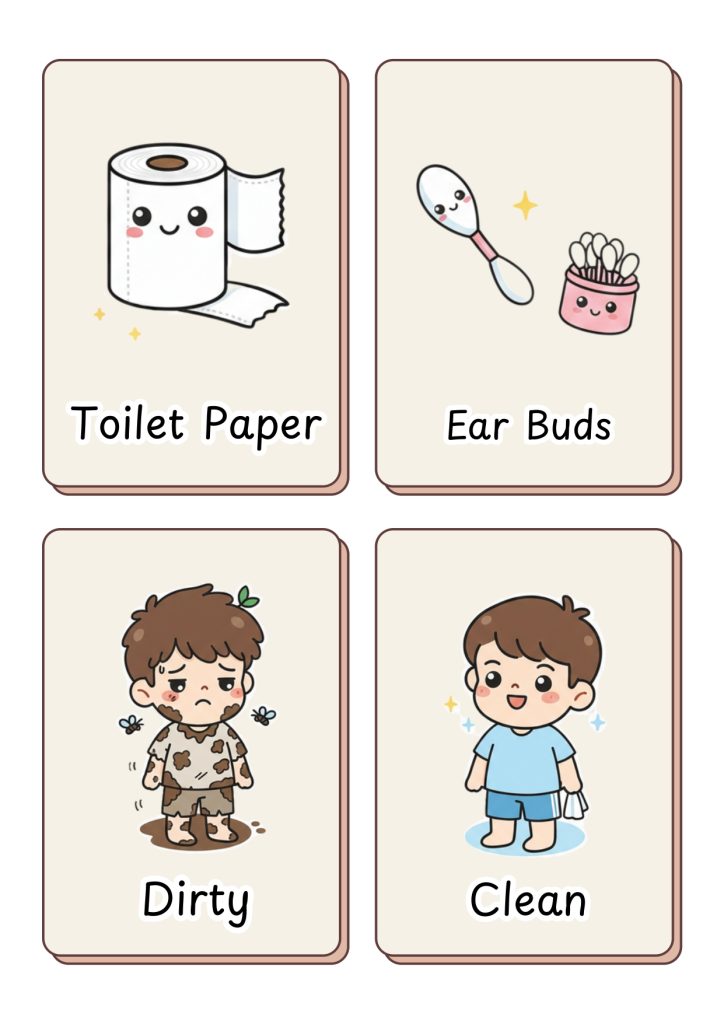
What Makes These Cards Useful
Most hygiene education teaches medical terminology to kids who still think the tooth fairy is real. Complicated explanations about bacteria and immune systems that bounce right off their brains. These cards skip the science lecture and show kids exactly what good hygiene looks like versus what happens when they ignore it.
- Brushing Teeth and Dirty Teeth uses side-by-side images of sparkling clean teeth versus teeth showing visible buildup and discoloration. Kids understand that brushing creates an obvious difference they can see in the mirror.
- Washing Hands and Dirty Hands shows clean hands ready for eating versus hands covered in visible dirt and grime. Every child has seen their hands get dirty playing outside. This connects handwashing to removing stuff they can actually see.
- Combed Hair and Messy Hair contrasts neat, brushed hair with tangled bedhead chaos. Kids feel the difference when you try dragging a brush through knots versus smoothly styled hair that doesn’t pull.
- Clean Face and Dirty Face features a freshly washed face beside one with food smudges and dirt marks. Children understand that washing faces removes the sticky remnants of breakfast and playground adventures.
- Trimmed Nails and Long Nails shows properly cut nails versus overgrown ones that collect dirt underneath. Kids see classmates with clean nails and others with grime trapped under long ones.
- Fresh Clothes and Dirty Clothes uses a clean shirt next to one with obvious stains and dirt. Every parent knows the battle of getting kids to change out of yesterday’s muddy outfit.
- Taking a Bath and Being Dirty shows a child enjoying bathtime versus one covered in visible dirt and sweat. Kids know how good warm water feels and how uncomfortable being grimy gets.
- Washing Hair and Greasy Hair contrasts clean, shiny hair with oily, unwashed hair that looks dull and heavy. Children notice when hair feels gross and when it feels freshly cleaned.
- Using Deodorant and Body Odor features fresh underarms versus sweaty ones (age-appropriate imagery). Older kids starting to hit puberty need to understand this without embarrassment.
- Covering Sneezes and Spreading Germs shows proper sneeze-covering technique versus spraying germs everywhere. Kids have all experienced getting sick after someone sneezed near them. For more cards about body awareness, check out our Weather Flashcards for Kids to help children understand how different conditions affect their comfort and health.
Why Visual Learning is Important
You can tell your child to brush their teeth fifty times a day, but words disappear into the air. When they see an actual image of what unbrushed teeth look like over time, the message sticks. Their brain creates a memory connection between the action (brushing) and the result (clean versus gross teeth).
The visual contrasts on these cards are dramatic enough that kids get it immediately. There’s no subtle difference between properly washed hands and those covered in playground dirt. These obvious contrasts help children understand that hygiene habits create real, visible changes they can see and feel on their own bodies.
Each card shows situations kids recognize from their daily routine. They’ve felt their hair tangled after sleeping. They’ve seen dirt under their fingernails after digging in the sandbox. They’ve smelled their own sweaty shirt after running around all afternoon. These familiar experiences make hygiene concepts stick because kids can link the cards to stuff they already know happens to them.
Activities That Make Hygiene Stick
- Morning Routine Checklist: Line up relevant cards on the bathroom counter each morning. Your child completes each hygiene task and flips the card face down as they finish. Brushing teeth, washing face, and combing hair. This creates a visual routine they can follow independently without constant reminders.
- Hygiene Detective: Throughout the day, have your child spot hygiene moments and match them to cards. Someone washing hands before lunch gets the handwashing card placed nearby. This builds awareness of hygiene happening constantly around them.
- Before and After Game: Show the “before” card (dirty hands, messy hair, unbrushed teeth) and have your child perform the hygiene task, then find the “after” card showing the clean result. They physically experience the transformation while learning.
- Sequence Challenge: Mix up cards and have kids put them in the order they do things each day. Wake up, brush teeth, wash face, get dressed, and comb hair. This reinforces their daily routine while practicing sequencing skills that help with reading and math later.
- Hygiene Sorting: Create two piles labeled “Healthy Habits” and “What Happens When We Skip.” Kids sort cards showing good hygiene versus the consequences of skipping it. This teaches cause and effect in ways they understand.
- Story Time Connections: Read books about getting ready for school or bedtime, pausing to pull out matching hygiene cards when characters brush teeth or take baths. This connects stories to real actions kids need to do.
- Travel Hygiene Kit: When packing for trips, have kids use cards to help them remember which hygiene items to bring. They see the toothbrush card and pack their toothbrush. The hairbrush card reminds them to bring one. This builds independence and responsibility. For more cards that teach daily concepts, explore our Opposites Flashcards for Kids to help children understand concepts such as clean versus dirty, wet versus dry, and other contrasting states.
- Reward Progress Chart: Create a weekly chart where kids earn stickers for completing hygiene tasks shown on cards. Five days of proper handwashing earn a special privilege. Visual progress tracking motivates consistency better than empty promises.
Getting Your Cards Ready
Download the PDF and print using standard settings. Portrait orientation on regular letter or A4 paper works perfectly. Color printing shows the hygiene contrasts more clearly, but black and white printing works fine if that’s what you have.
Use cardstock for cards that survive bathroom humidity and sticky kid fingers. Heavier paper holds up better near sinks and during daily handling. You can also print on regular paper and laminate each card for waterproof protection that lasts for years.
Cut along the borders, and your hygiene cards are ready. Keep them in a small basket on the bathroom counter where kids can access them independently. Or use a ring to bind them together so cards don’t scatter everywhere.
These Personal Hygiene Flashcards give kids visual reminders about daily habits that protect their health and help them feel confident around others. Clear images showing what good hygiene looks like and what happens when they skip it. Start building healthy habits that last a lifetime today.